

The red rump parakeet is a common parrot species found in southeastern Australia. The male red rump parrots have a characteristic emerald green plumage and a brick-red rump on the upper back. The females have a less vivid plumage with dull green wings, lacking the red rump found in males.
Scientific Classification |
|
| Kingdom | Animalia |
| Phylum | Chordata |
| Class | Aves |
| Order | Psittaciformes |
| Superfamily | Psittacoidea |
| Family | Psittaculidae |
| Subfamily | Platycercinae |
| Tribe | Platycercini |
| Genus | Psephotus |
| Scientific Name | Psephotus haematonotus |

Red Rump Parakeet

Red Rump Parakeets
Quick Information |
|
| Other Names | Red-backed parrot, grass parrot |
| Size | 10-11.2 inches (25-28 cm) in length |
| Weight | 60-85 g (2.1-3 oz) |
| Color | Green body, dark eyes and beak, flesh colored legs; blue tints on the upper back and wings in males; blue-back wingtips in females |
| Distribution | Murray-Darling Basin and other parts of southeastern Australia |
| Habitat | Open grasslands, suburban gardens, parks, farmlands |
| Sound | Pleasant song-like call |
| Clutch | 4-7 Eggs |
| Incubation period | 17-20 days |
| Lifespan | 15-25 years in captivity |
| Diet | Fruits, flowers, grass seeds |
| IUCN Conservation Status | Least Concern |

Red Rump Parakeets Pictures

Red Rump Parakeets Images
Subspecies
- P.h. haematonotus
- P.h. caeruleus
Mutations
- Albino
- Silver
- Blue
- Opaline
- Cinnamon
- Pied
- Yellow

Red Rump Parakeet Bird
As pets
The red rump parrots are easy to pet, making them appropriate for beginners.
Cage Requirement
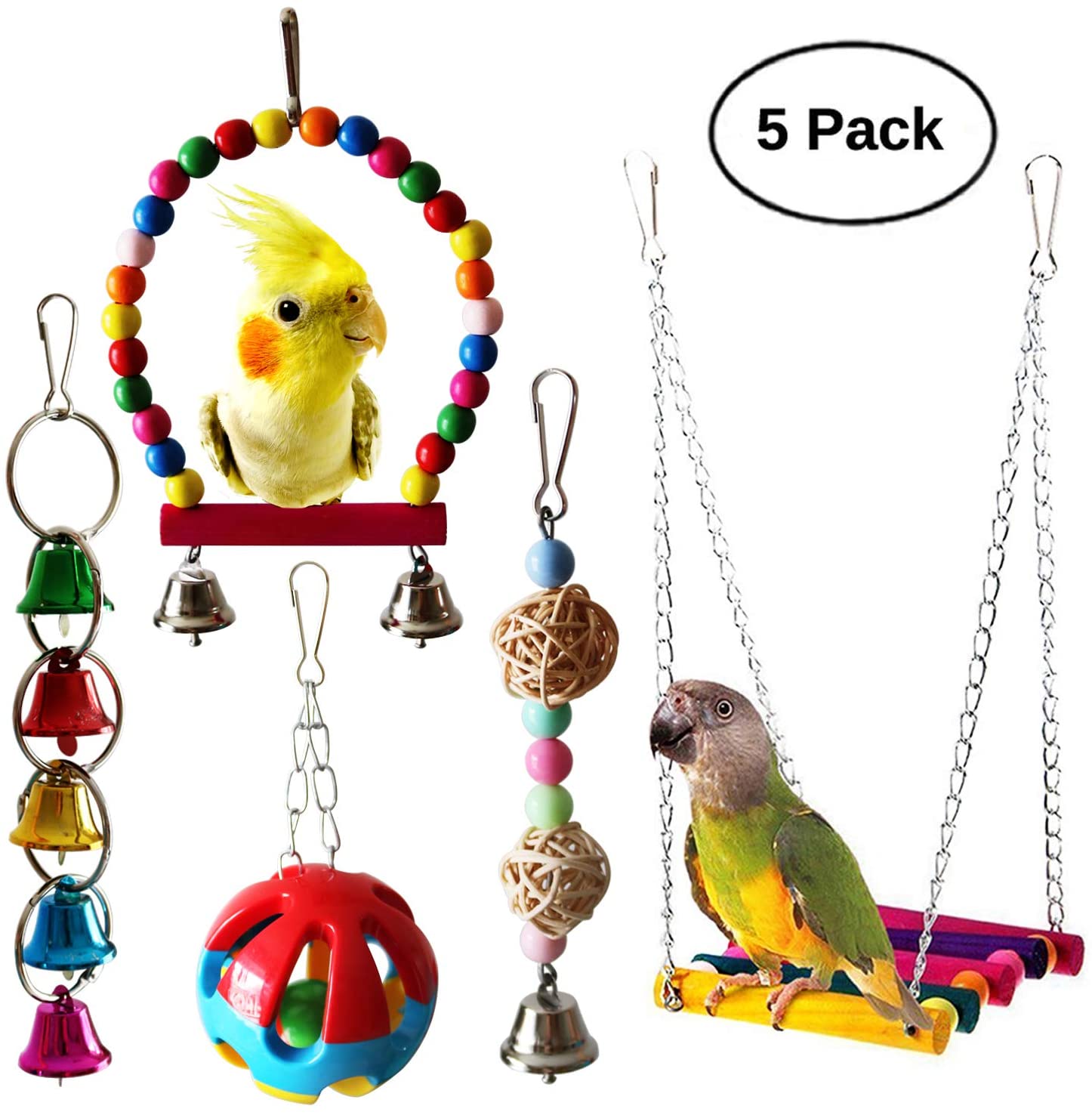
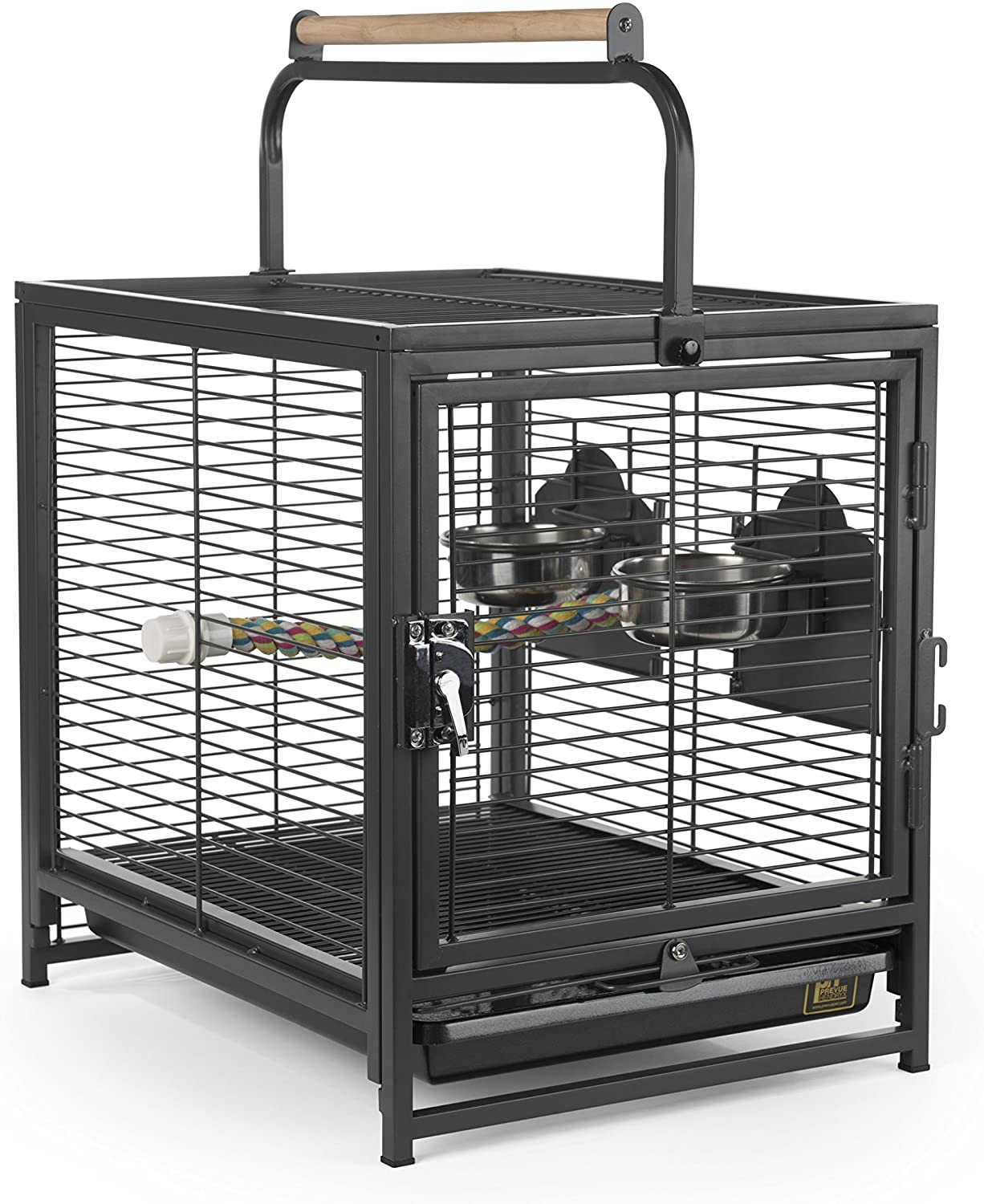
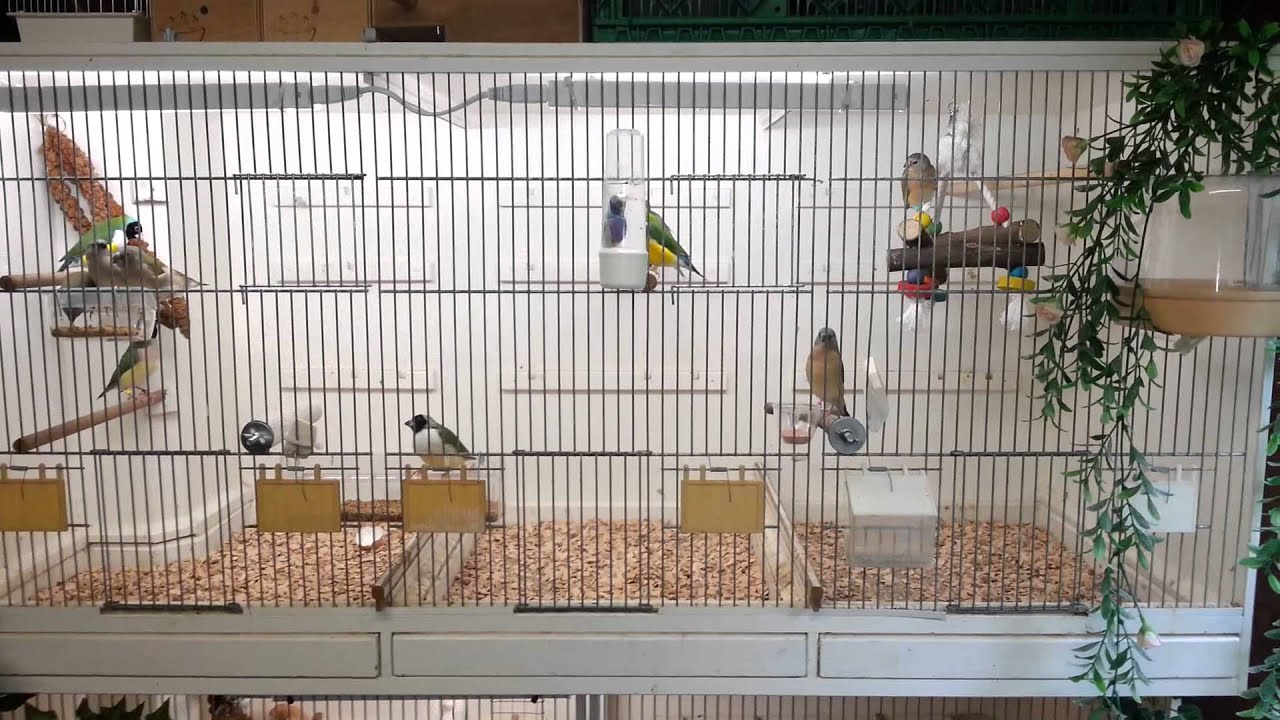
A large breeding cage with a minimum space of 32 X 20 X 20 inches should be used for housing them. Keeping them in large, ventilated cages or aviaries not only help them to remain active but also prevent them from exhibiting aggressive behavior towards other birds. Round cages should be avoided owing to their limited space. Cage accessories like ladders, swings, and perches will keep them busy throughout the day.

Red Rump Parakeet Nest Box
Nest
The red rumps accept vertical nest boxes that have a space of 10 X 6 X 6 inches and a concave bottom. Add some aspen shavings to the floor of their nesting box to absorb their droppings as well as to prevent their eggs from rolling over.
Temperature
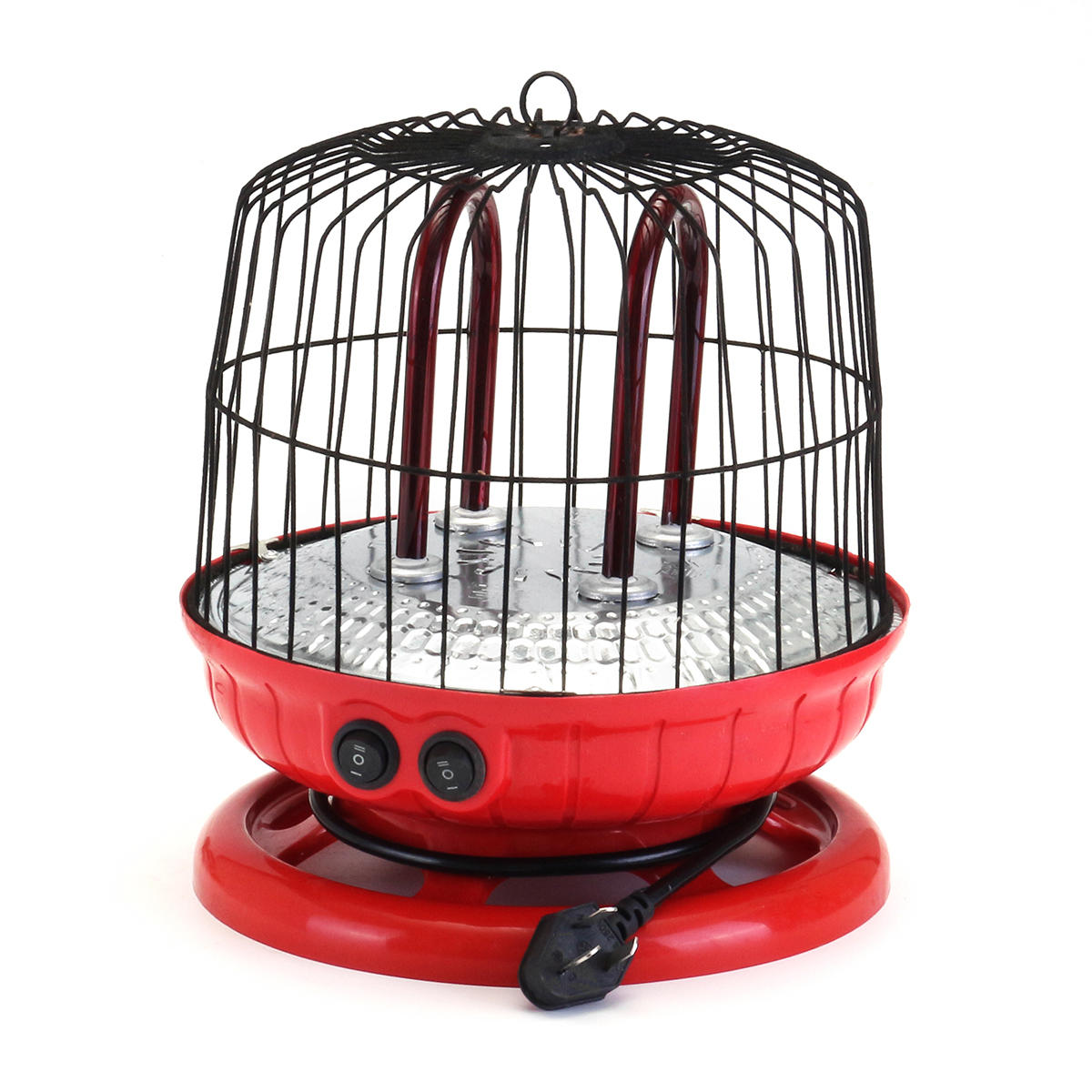
When acclimatized to cold weather, the parakeets can even tolerate temperatures of 4°C-10°C. However, keeping a bird warmer inside the cages is recommended during the winter months.

Red Rump Parakeets Photos
Temperament and Behavior
Although they like to live in pairs, they are usually not compatible with other bird species. As they become bored easily, provide them with bird toys to keep them refreshed and stimulated mentally. Spending time by interacting and hand feeding your pet bird, is also a good option for strengthening the relationship between you and your companion. If left alone too long, they might become less social and even hostile.
Feeding
Red rumps should be given a combination of millets, mixed canary seeds, and a modest quantity of sunflower seeds. To provide them with the necessary amount of vitamins, minerals, and proteins, include grit, cuttlebone, eggfood, spinach, lettuce, chickweed, green beans, apples, carrots, and broccoli.

Baby Red Rump Parakeet

Red Rump Parakeet Chicks
Care
The red-backed parrots require fairly low maintenance to keep themselves in good condition. However, proper care should be taken to bathe them regularly with fresh bathing water, as also to trim their nails when needed. Be sure to provide them a hygienic environment to live in by cleaning their aviaries and cages with proper disinfectants.
Health Problems
Being a hardy species, these birds exhibit remarkable resistance to diseases when kept under favorable conditions. However, they can suffer from a few problems including feather plucking, eye infections, egg pecking, parrot fever, frostbite, cold, respiratory problems, and Pacheco’s Disease.
Price
A red rumped parakeet can cost between $150 to $500.

Male and Female Red Rump Parakeets
Interesting Facts
- They use a characteristic “chee chillip chee chillip” call to communicate with one another when feeding in the wild.
- The green plumage helps the red-rumped parakeet to hide in grasses, providing an effective camouflage.
References
Excellent work