The common chaffinch, a small bird of the finch family, is found across Asia, Siberia, northwest Africa, and Europe. Characterized by rust-red underparts and a blue-gray cap, the males are much more brightly colored than the females. The two sexes also differ in their white wing bars.

Chaffinch
Scientific Classification |
|
| Kingdom | Animalia |
| Phylum | Chordata |
| Class | Aves |
| Order | Passeriformes |
| Family | Fringillidae |
| Subfamily | Fringillinae |
| Genus | Fringilla |
| Scientific Name | Fringilla coelebs |

Chaffinch Pictures

Chaffinch Images
Quick Information |
|
| Other Names | Chaffinch, pahirini |
| Size | Around 5.7 inches (14.5 cm) in length |
| Weight | 0.63-1.02 oz (18-29 g) |
| Wingspan | 9.6-11.2 inches (24.5-28.5 cm) |
| Color | Male: Black forehead, light olive-green rump, dark gray central tail feathers, black flight feathers with white portions at the base of the vanes.Female: Gray-brown head and upperparts, paler underparts, dull olive green rump and lower back, tails and wings are similar to the males. |
| Distribution | Most of the European countries, temperate Asia, northwest Africa, south of Lake Baikal, Siberia, the Madeira Islands, the Canary Islands, the Azores. Introduced into South Africa and New Zealand during the nineteenth century |
| Habitat | Open woodland, indigenous forests, sub-alpine scrubland, farmlands, orchards |
| Sound | Powerful song with a characteristic “vink” or “fink” sounding call; males can sing 2-3 types of song with regional dialects |
| Clutch | 4-5 Eggs |
| Incubation period | 10-16 days |
| Fledging | Around 11-18 days |
| Lifespan | 3 years on average |
| Diet | Predominantly seeds of thistle, dandelion, chickweed, rimu, beeches; various invertebrates like flies, moths, beetles, caterpillars, spiders |
| IUCN Conservation Status | Least Concern |
Subspecies
The chaffinches are sub-divided into several subspecies, of which few are given below:
- F.c. coelebs
- F.c. alexandrovi
- F.c. caucasica
- F.c. sarda
- F.c. palmae
- F.c. maderensis
- F.c. moreletti
- F.c. africana

Common Chaffinch

Baby Chaffinch
As a pet
Since these birds can be easily cared for, they are commonly kept as pets in several European countries.
Housing
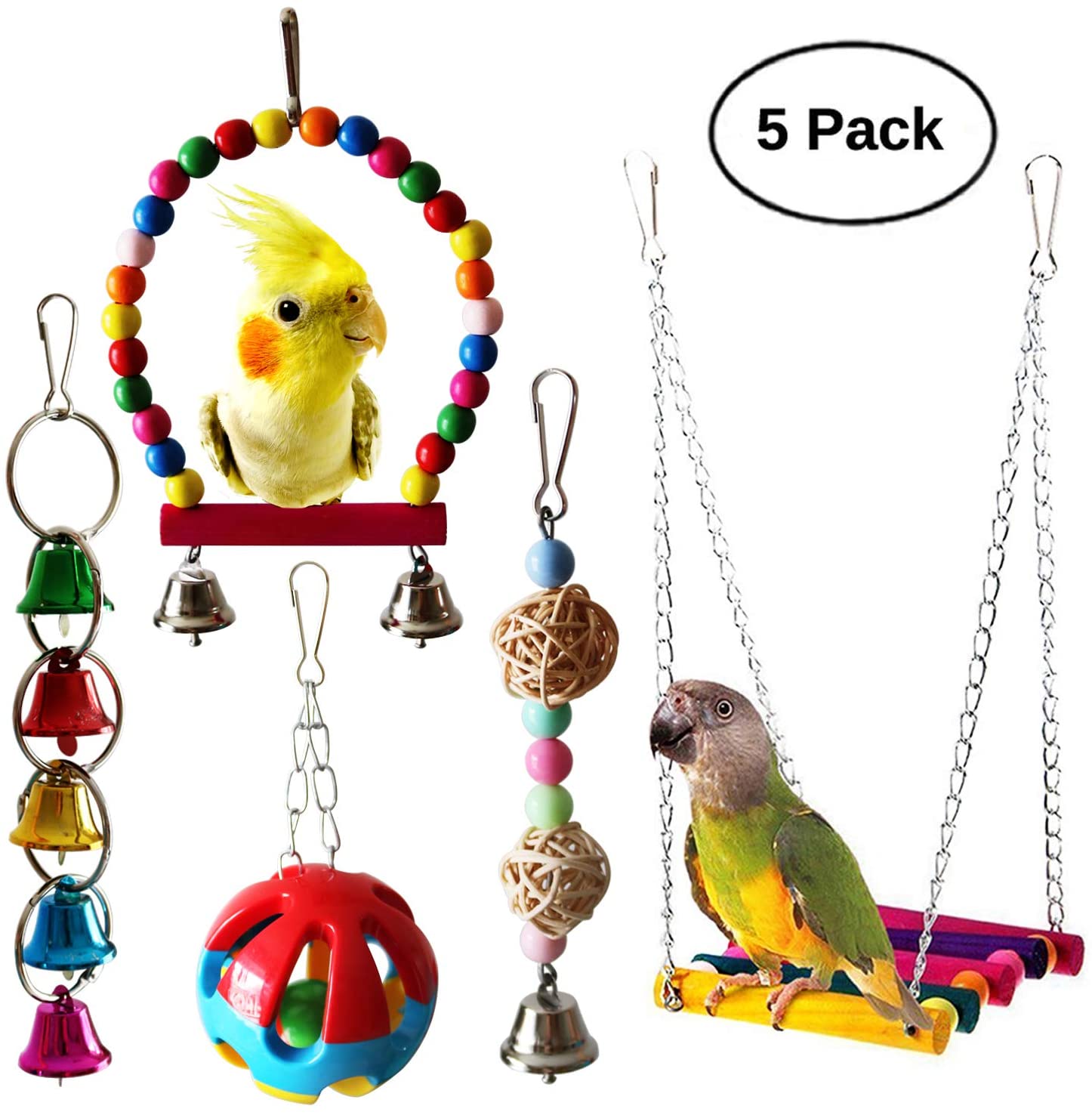
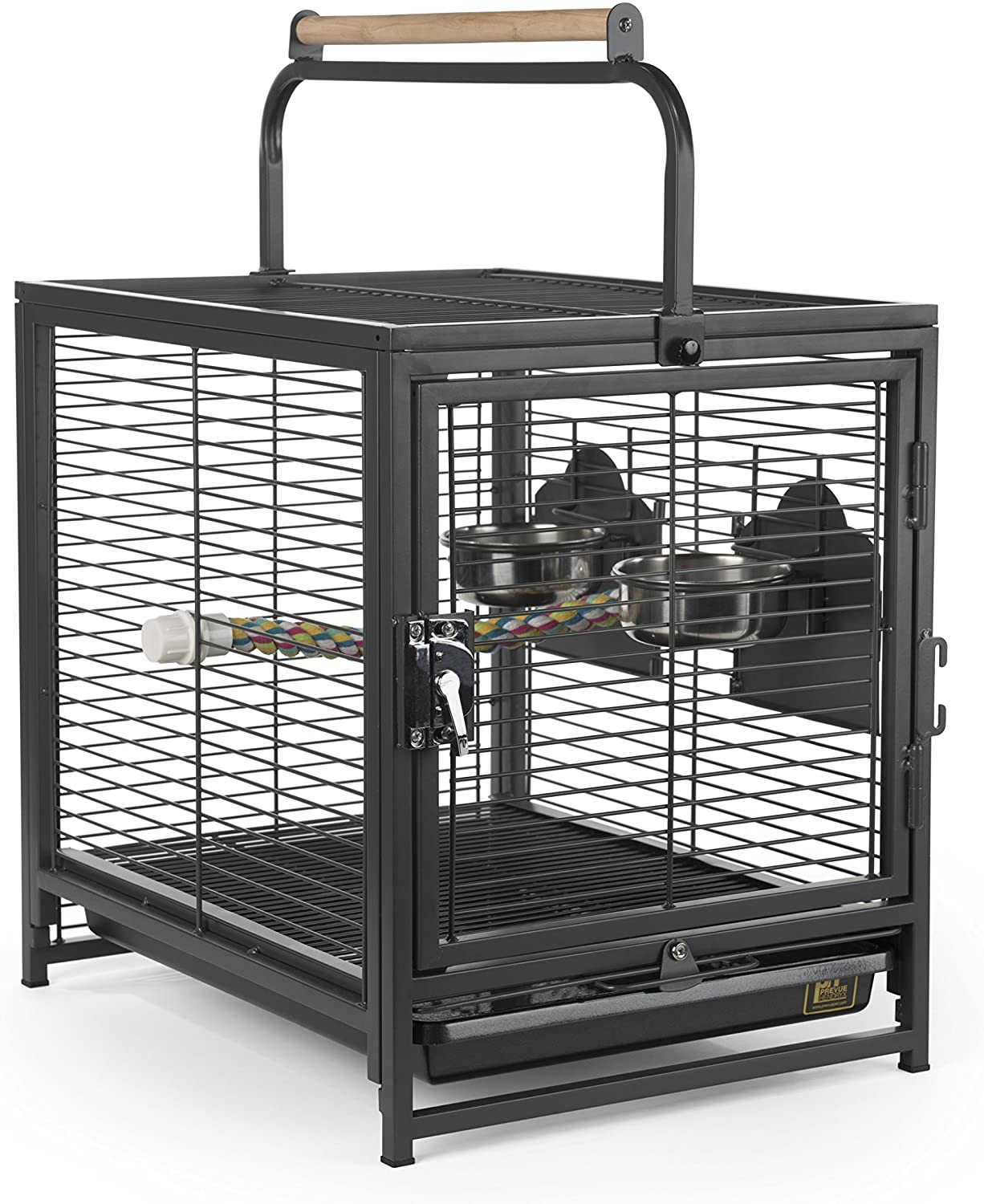
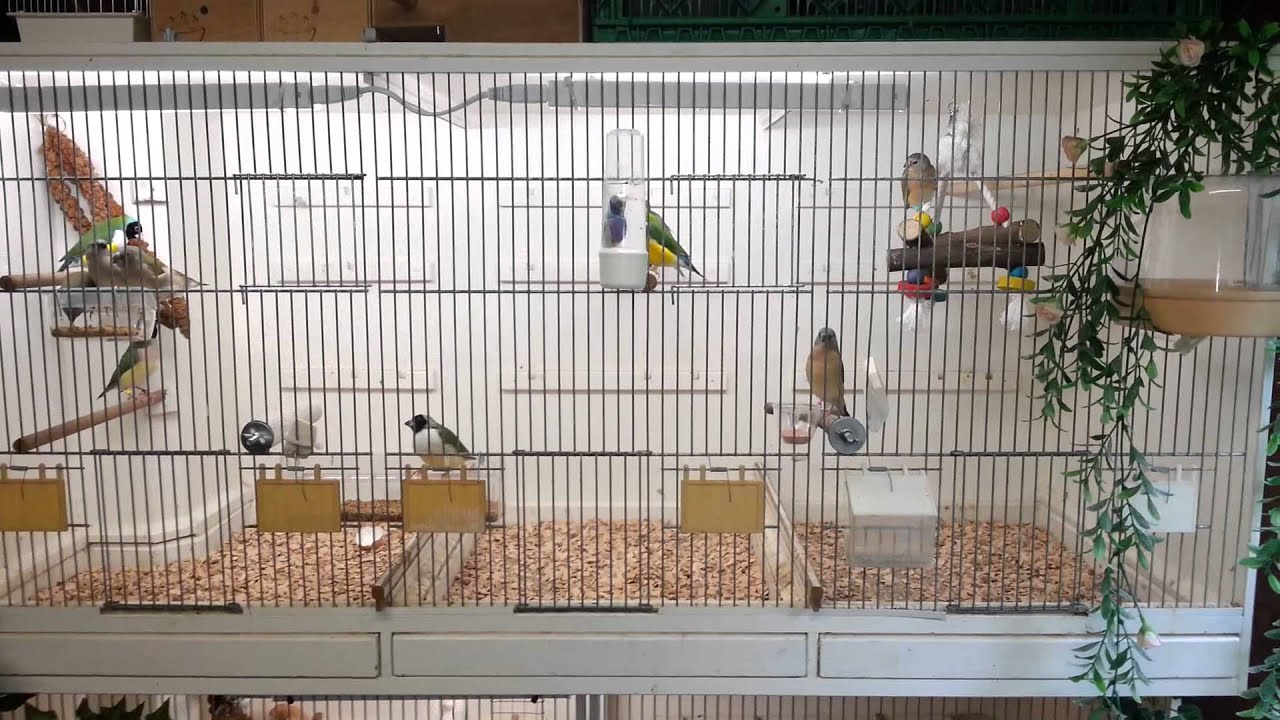
As the bird loves to form flocks, keeping it in a pair or with several members of its species is a great option. Being a social species, it thrives well in large cages and planted aviaries. Use a lightweight, single-layer, breathable fabric to cover its cage at night. This would allow your pet to feel secure and improve its quality of nightly rest. Place 2-3 horizontal perches at various heights to provide it with comfortable resting spots. To keep your pet active both mentally and physically, you may put some bird toys, ladders, and swings in its cage.
Nest
Since the female builds a deep cup-like structure as its nest, you may provide some nesting materials like grass, wool, feathers, and thin roots.

Chaffinch Nest

Chaffinch Chicks

Chaffinch Eggs
Temperature
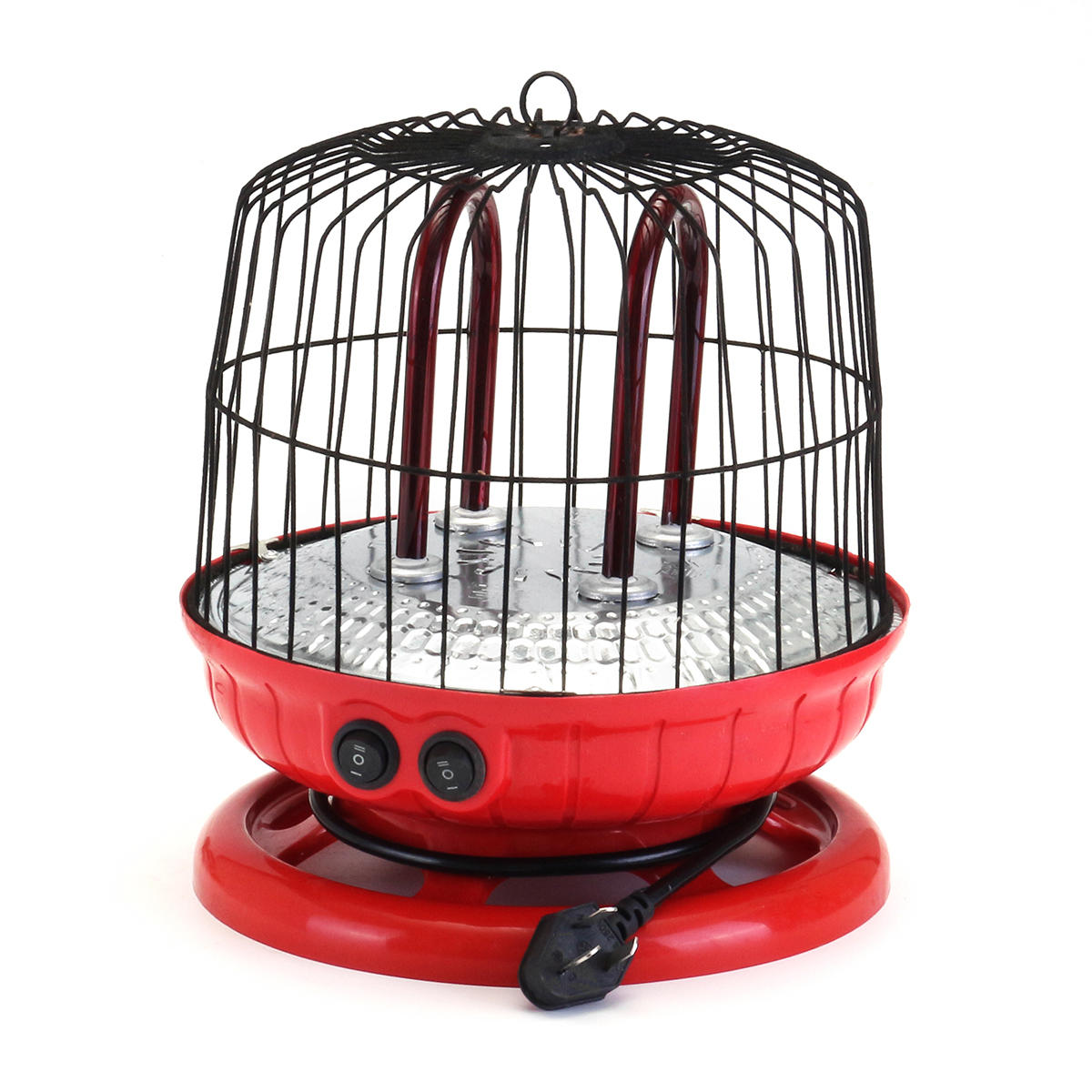
A heat source should be installed in its enclosure during winter since it cannot tolerate extremely cold conditions. A properly sheltered outdoor aviary could be used to protect it from damp conditions during summer.
In the wild, it prefers areas with temperatures ranging from 12°C to 30°C during the breeding season.
Temperament and Behavior
When raised in captivity, they exhibit a characteristic nervousness in their behavior, which can be dealt with by pairing them in cages as well as proper socialization training. They are an intelligent species, which communicate with each other through distinct sounds in the form of an alarm call, mating call, and a rain call.

Chaffinch Bird

Chaffinch Photos
Feeding
Provide your chaffinch with plenty of mixed millets, green food, and live food, especially during the breeding season. Supplement your bird’s diet with fresh water, lettuce, spinach, egg food, chickweed, and spray millets regularly.
Care
Apart from providing a fresh supply of bathing water, you should also trim its nails and beak occasionally.

Chaffinch Female

Chaffinch Male

Flying Chaffinch
Health problems
Despite being a hardy species, chaffinches are known to contract parasitic infections caused by Trichomonas gallinae. Development of tumors caused by papillomavirus is also seen on their legs and feet. Taking your pet bird to a vet every 3-4 months helps in keeping it in good shape.
Interesting facts
- In a traditional sport called “vinkenzetting,” held in Belgium, male chaffinches are set against one another to compete for the most calls in one hour.
- It has several folk names like “shell apple” and “spink” in Britain.
- The bird appears in the marginal decorations of Sherborne Missal, a medieval English illuminated manuscript.
References