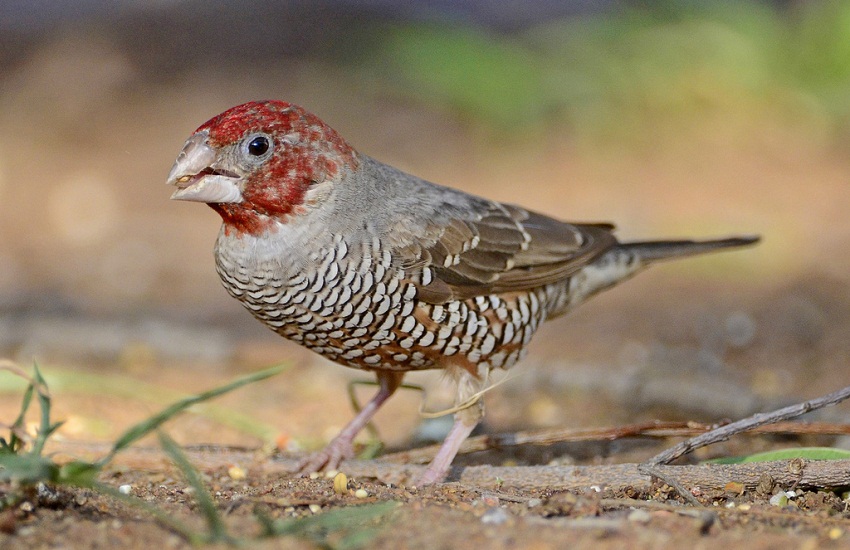
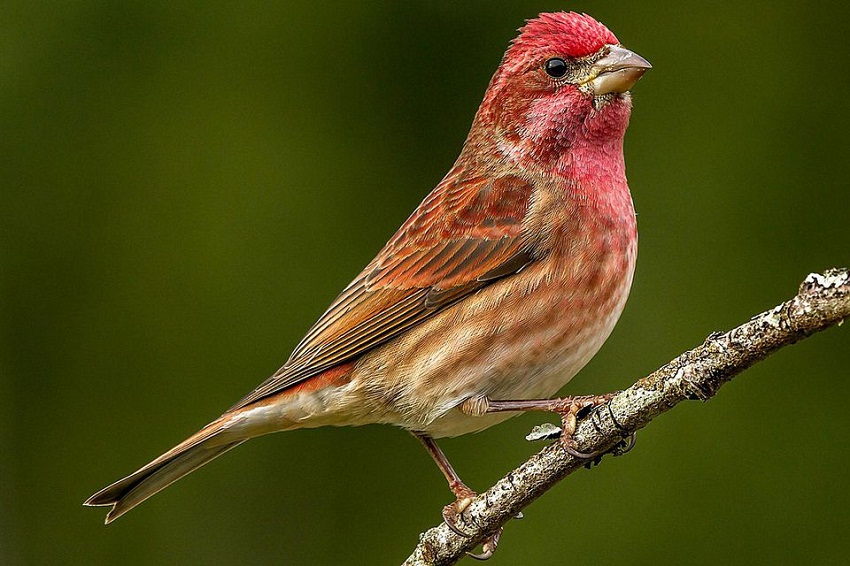
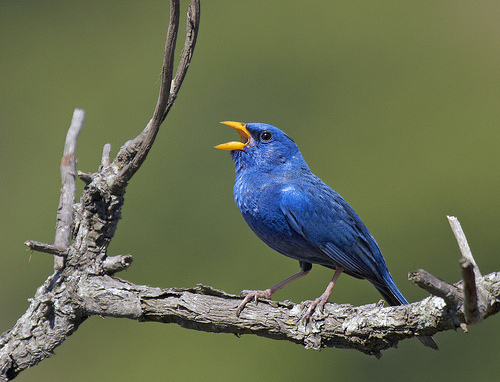
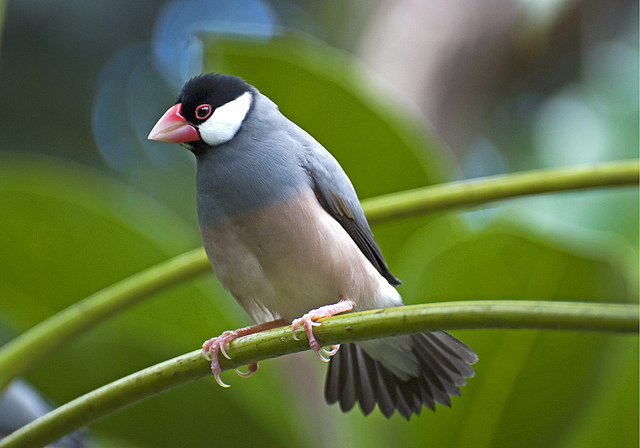
The gray singing finch, also known as the white-rumped seedeater, white-rumped serin or gray canary, belonging to the Fringillidae family is characterized by a gray body, conical beak, pale pink legs and a beautiful white rump that adds charm to its otherwise plain appearance.

Gray Singing Finch
Scientific Classification |
|
| Kingdom | Animalia |
| Phylum | Chordata |
| Class | Aves |
| Order | Passeriformes |
| Family | Fringillidae |
| Genus | Serinus |
| Scientific Name | Serinus leucopygius |

Gray Singing Finch Pictures
Quick Information |
|
| Distribution | Central African Republic, Cameroon, Chad, Democratic Republic of Congo, Ethiopia, Ghana, Nigeria, Mali, Niger, Togo, Sudan, Senegal, Uganda and the United States. |
| Habitat | Dry savanna grasslands |
| Color | Gray with a white rump |
| Size | About 11cm |
| Weight | 16gm to 18gm |
| Diet | Grass seeds and other wild seeds |
| Egg hatching time | About 14 days |
| Clutch size | 2-5 days |
| Fledging | About 21 days |
| Singing Ability | Seen in males |
| IUCN Conservation Status | Least Concern |
Gray Singing Finch Pet Care
Housing
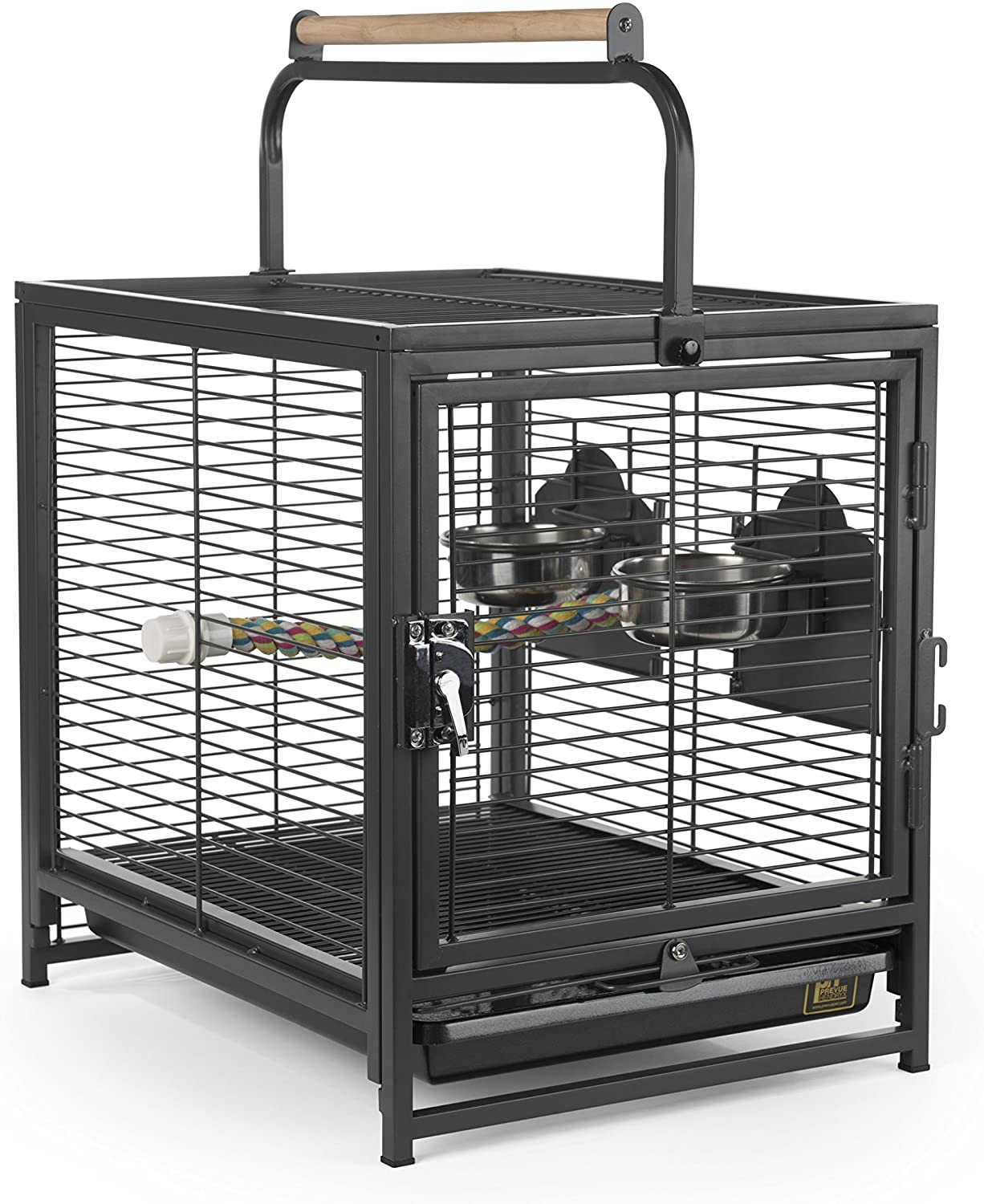
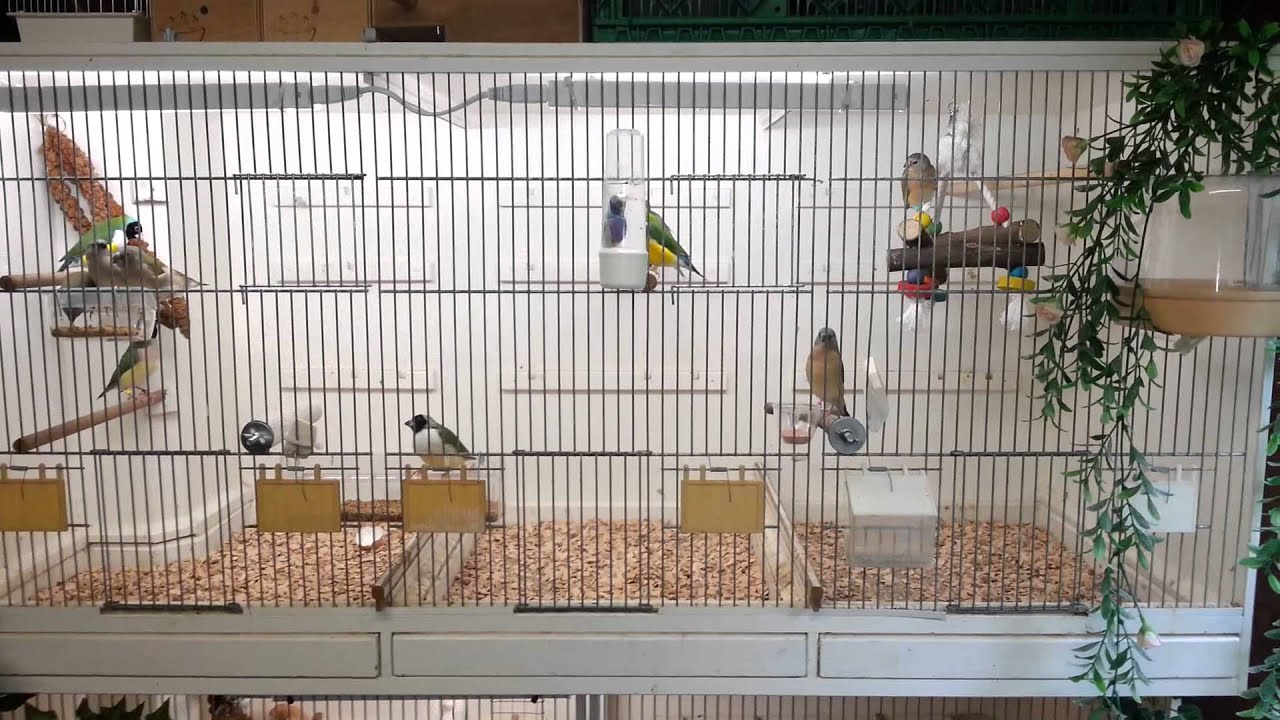
Well-ventilated spacious cages or planted aviaries are perfectly suited for these birds. Soft wooden or natural perches help them in flying about freely throughout the cage. Requiring a kind of hidden nest, an artificial greenery, half-opened nest box or a wicker basket can be placed inside the cage or aviary.

Gray Singing Finch Cage Setup
Substrates
The presence of a proper cage substrate like a newspaper or paper towel helps in maintaining proper hygiene. The suitable nest box substrates are cotton, hay, and grass.
Temperature
Though being hardy in nature, they need to be kept at temperatures ranging between 60°F and 65°F during cold winters.

Gray Singing Finch Images
Temperament
Being very territorial, they tend to get aggressive when more birds of their own species are placed in the same cage. Therefore it is advisable to place only a single pair in an aviary or cage to avoid any collision. One of the striking qualities inherent in them is the powerful singing quality of the male finches.
Feeding
These grass-eaters thrive well on a diet of grass seeds, millets, canary seeds, poppy seeds and wild seeds. Being fond of live food, wax worms, mealworms, fruit fly larva and ant eggs may be added to soft food, mainly during breeding periods. Like other finches, they too should be supplied with spray millet chickweed, egg food, broccoli tops, carrot tops along with grit and cuttle bone. Fresh water is to be provided on a regular basis at the bottom of the cage.

Gray Singing Finch Chicks
Health Problems
Though theses active birds do not have any specific health problems, when exposed to cold temperatures they may suffer from air-sac mites or other similar infections. Keeping them in unhygienic environments also make them more prone to diseases.
Price
Gray singing finches are going to cost your about $40-$50.

Gray Singing Finch Birds

Gray Singing Finch Photos
Interesting Facts
- During their breeding season, the charming songs of the males become louder, just like canary finches.
- Aviculturists often go on to cross wild canaries with gray singing finches to produce attractive and colorful birds with great singing ability.
References:
- http://en.wikipedia.org/wiki/White-rumped_seedeater
- http://www.hbw.com/species/white-rumped-seedeater-serinus-leucopygius
- http://www.finchinfo.com/birds/finches/species/green_singing_finch.php
- http://www.inaturalist.org/taxa/9272-Serinus-leucopygius
- http://www.birdcare.com.au/grey_singing_finch.htm
- https://www.nfss.org/species/finches/grey-singing-finch/
- https://beautyofbirds.com/grey-singing-finches/