

The owl finch, also known as the double-barred or Bicheno finch, is characterized by a dark patch around their face. It gives them a barn owl like appearance, gaining them the name ‘owl’ finch. The males and females of the species looks almost the same, whereas the young ones have a more brownish appearance.

Owl Finch
Scientific Classification |
|
| Kingdom | Animalia |
| Phylum | Chordata |
| Class | Aves |
| Order | Passeriformes |
| Family | Estrildidae |
| Genus | Taeniopygia |
| Scientific name | Taeniopygia bichenovii |

Owl Finches Birds
Quick Information |
|
| Distribution | Northern and Eastern Australia |
| Habitat | Dry savannah grasslands and shrub lands |
| Subspecies | Taeniopygia bichenovii bichenovii
Taeniopygia bichenovii annulosa |
| Color | White, black, brown |
| Size | 10cm to 11cm |
| Weight | 7g to12g |
| Diet | Seeds |
| Lifespan | 5 to 7 years |
| Egg hatching time | 12 days |
| Clutch size | 3 to 6 eggs |
| Fledging | 19 to 26 days |
| Singing Ability | Seen only in males |
| Temperament | Active, Gregarious |
| IUCN Conservation Status | Least Concern |
Mutations
The different color mutations of the Bicheno finch include:
- White-rumped
- Black-rumped
- Chocolate-Self
- Red-Brown
- Creamino
- Black-Brown
- Dominant and Recessive Pied
- Fawn Pied
- Crested Chocolate Pied
- Dilute Fawn Pied

Owl Finch Pictures

Owl Finch Photos
Owl finch pet care
Being friendly and gregarious, they are a good pet choice, especially for first-time bird owners.
Housing
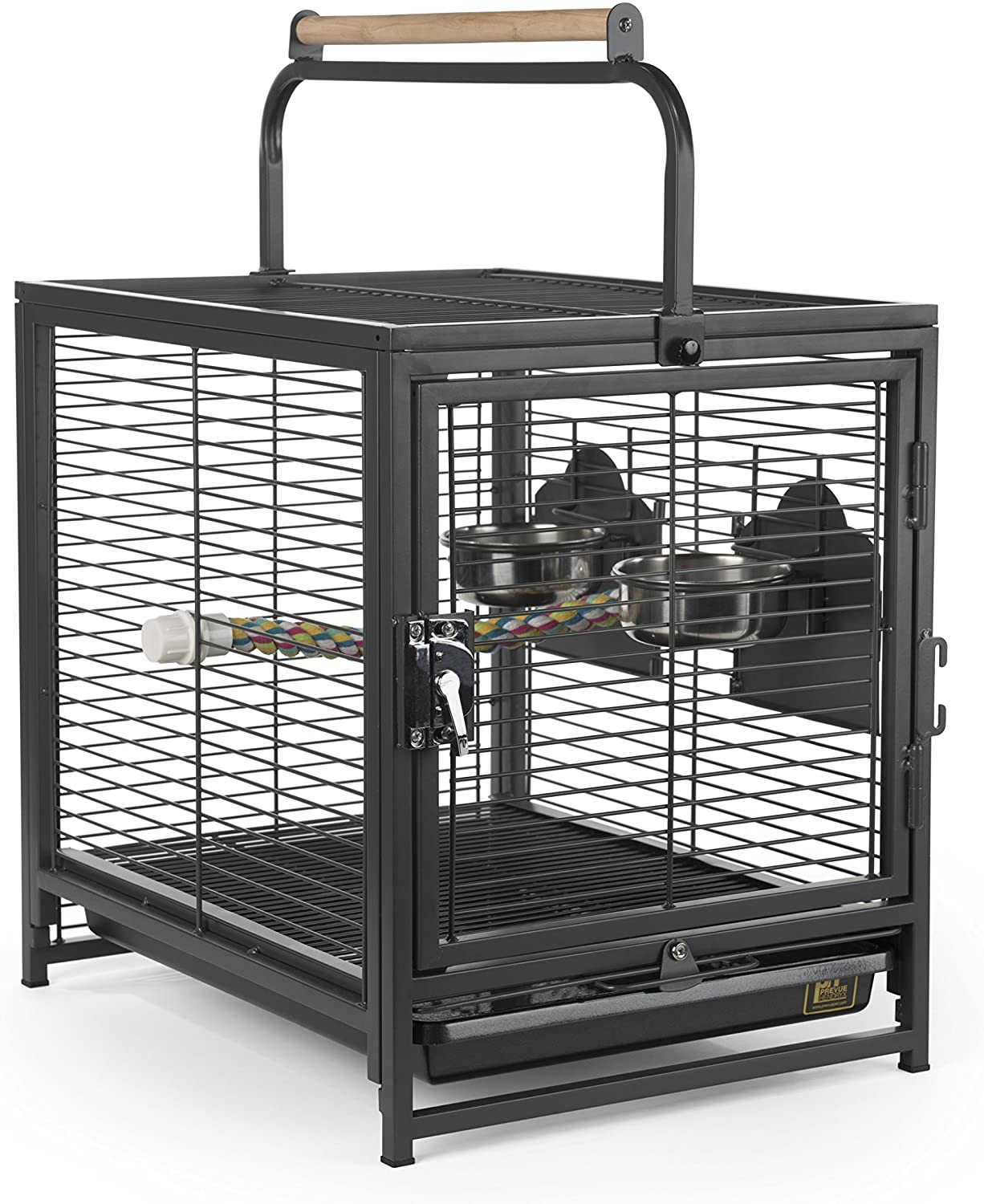
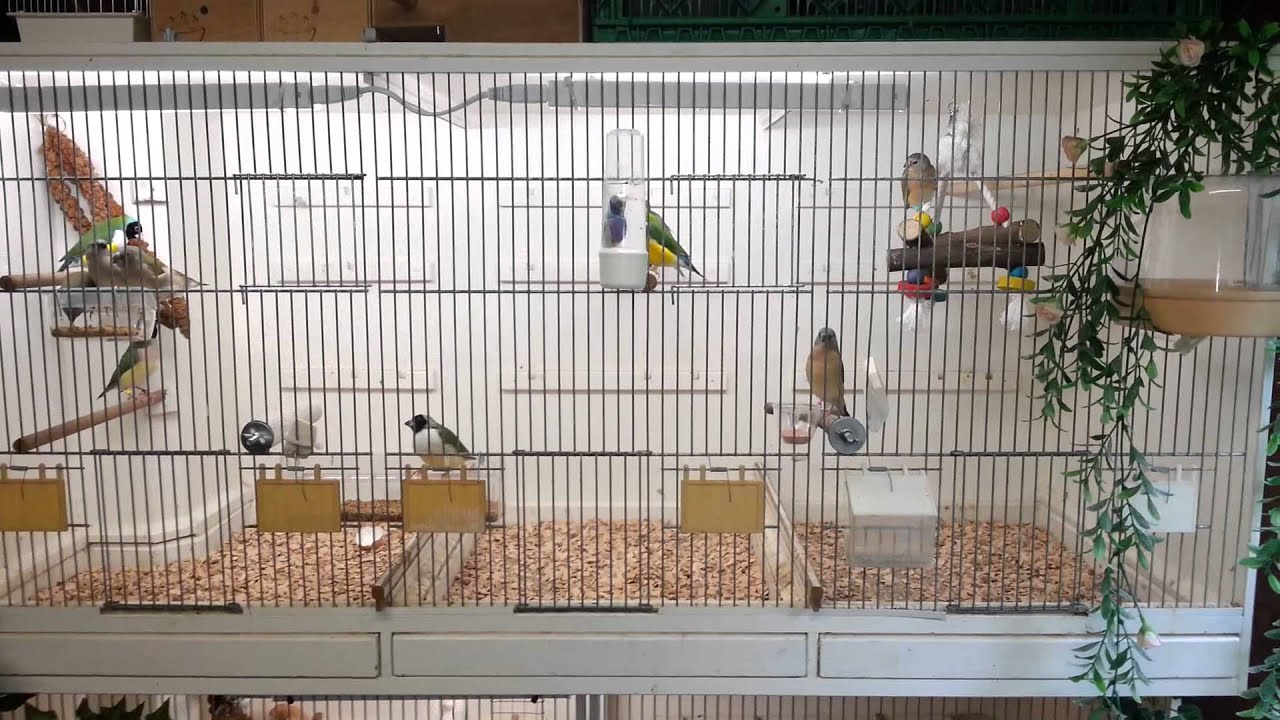
These active finches are to be kept in spacious cages or large planted aviaries. Soft wood or branches form a good perch option. As they love building their own nests, a half-opened nest box or wicker nest basket should be placed in the cage, along with some coconut fiber and dry grass for nesting material.

Owl Finch Nest
Substrate
Paper substrates should be placed at the bottom of the cage and changed on a daily basis.
Temperature
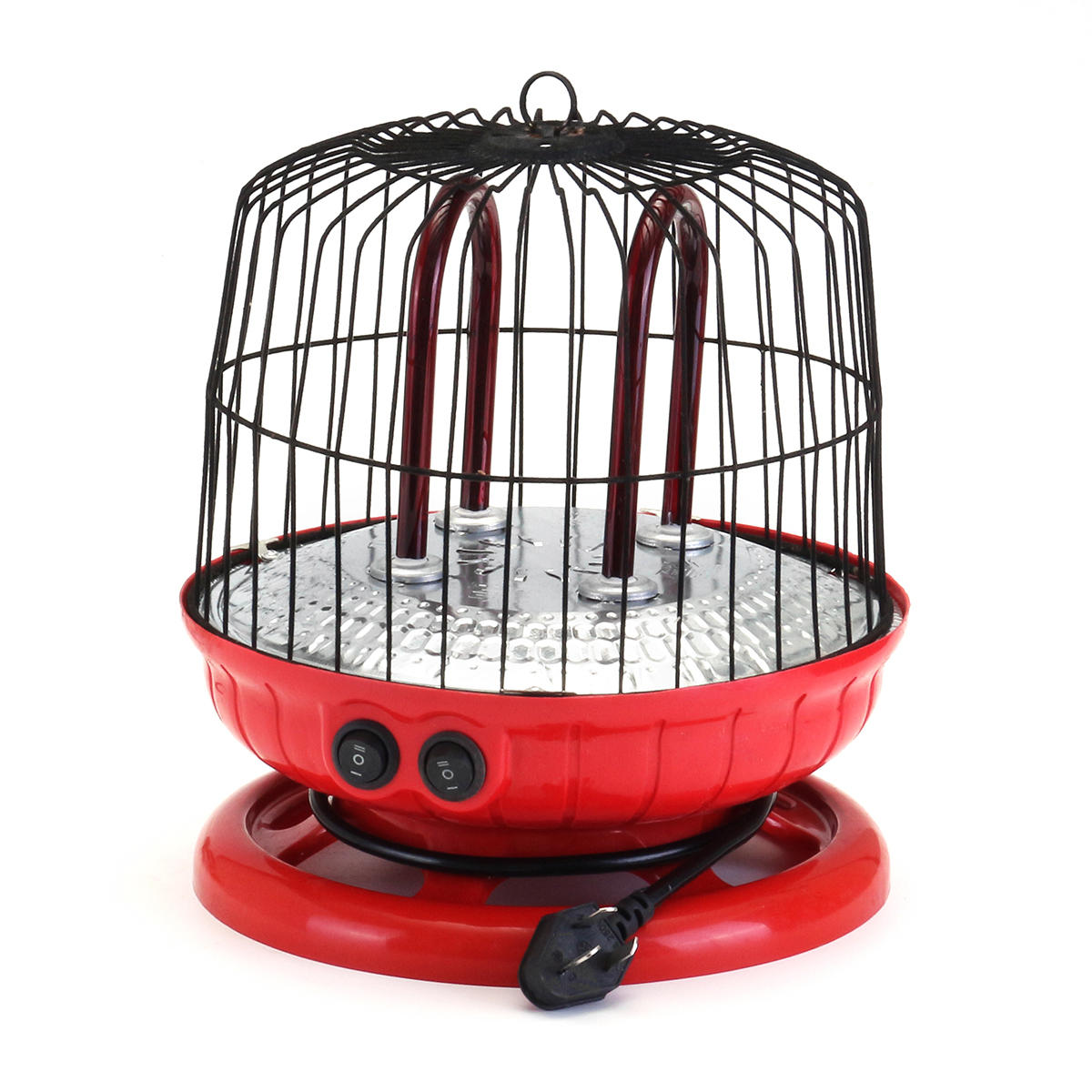
As they cannot bear excessive heat or cold, a cool, shady place is well suited for them. When kept indoors, a temperature of more than 65°F is essential for them. During the cold winter months they are to be kept in a heated shelter.

Owl Finch Male Female

Baby Owl Finch

Owl Finch Eggs
Temperament
These sociable, friendly, energetic finches are swift climbers, flying around freely when kept in large cages, whereas small enclosures make them panic. Being curious in nature they go forward to check any new addition to their dwellings. They do well with other species, having a similar temperament and size as theirs; however, they dislike being crowded. The male finches become aggressive with one another in the female’s presence during breeding.
Feeding
They should be provided with a mixed diet of soaked or sprouted seeds, spray millet, carrot tops, broccoli tops, chickweed, spinach, lettuce, egg food, cuttlebone, and grit. The birds are also fond of small mealworms. Fresh, clean water is to be kept at the foot of the cage.

Owl Finch Images

Owl Finch Bird Pictures
Health problems
Like all other finches, they too may suffer from air-sac mite, scaly face, and egg-binding. Overgrown beaks and nails is another common condition that needs to be addressed by a vet or professional groomer.
Price
The price for an owl finch is around $100.
Interesting facts
- The finches were named ‘Bicheno’ after James Ebenezer Bicheno, the colonial secretary of Van Diemen’s Land.
- The only way to determine the monomorphic species is through their song, which is only seen in the males.
- Both genders exhibit an amusing meowing call similar to a cat.
- Though the birds generally make good parents, they are sometimes known to throw baby birds out of the nest.
References:
http://www.finchinfo.com/genetics/owl_bicheno_finch/index.php
http://birdcare.com.au/double_bar_finch.htm
https://beautyofbirds.com/owl-finches/
https://lafeber.com/pet-birds/species/owl-finch/
http://www.efinch.com/species/owl.htm
http://www.finchinfo.com/birds/finches/species/owl_finch.php
Hey very cool site!! Guy .. Excellent .. Amazing ..
thanks for posting.
Very good, thanks for posting!
Thank you for posting. 🙂
Hello! My name is Valentin Greig and I live in Crete,IL. I have read your blog post about Owl Finch | Singing Wings Aviary and I want to say that I am quite impressed with your professionalism on the subject!
Thanks for sharing 🙂
Excellent
Thank you for your information, The Owl finch is a beutiful bird.
Great post! Have nice day ! 🙂 gzhcs