

Saffron finch is a small tanager originating in South America. The males with a vibrant yellow body and an orange crown can be distinguished from the females that usually have a somewhat duller coloration. However, females in some subspecies have an olive-brown body consisting of heavy dark markings.

Saffron Finch
Scientific Classification |
|
| Kingdom | Animalia |
| Phylum | Chordata |
| Class | Aves |
| Order | Passeriformes |
| Family | Thraupidae |
| Genus | Sicalis |
| Scientific Name | Sicalis flaveola |

Saffron Finch Pictures
Quick Information |
|
| Other Names | Canary, roof canary, native canary |
| Size | Around 14-16 cm (5.5-6 inches) in length |
| Weight | Approximately 0.7 oz (20 g) |
| Color | Black patterns on the wings and back, ivory-colored lower beak, gray-black upper beak, dark eyes, pale pink or gray legs; juvenile birds are mostly gray having dark streaks |
| Distribution | Northern Venezuela, Colombia, southern as well as eastern Brazil, western Peru, western Ecuador, Uruguay, Paraguay, Bolivia, Trinidad and Tobago, and northern Argentina; introduced to Puerto Rico and Hawaii |
| Habitat | Open or semi-open low-lying country regions |
| Sound and call | The males have a pleasant and repetitive song |
| Clutch | 3-5 Eggs |
| Incubation period | 12-14 days |
| First molt | After 12-18 months |
| Lifespan | 10-12 years |
| Diet | Wild seeds, grass seeds, and live food |
| IUCN Conservation Status | Least Concern |
Subspecies
- S.f. flaveola
- S.f. pelzelni
- S.f. valida
- S.f. koenigi
- S.f. brasiliensis
As pets
Throughout its native range, a saffron finch is commonly kept as pet, primarily due to its bright, attractive appearance and sweet call.

Pictures of Saffron Finch
Housing
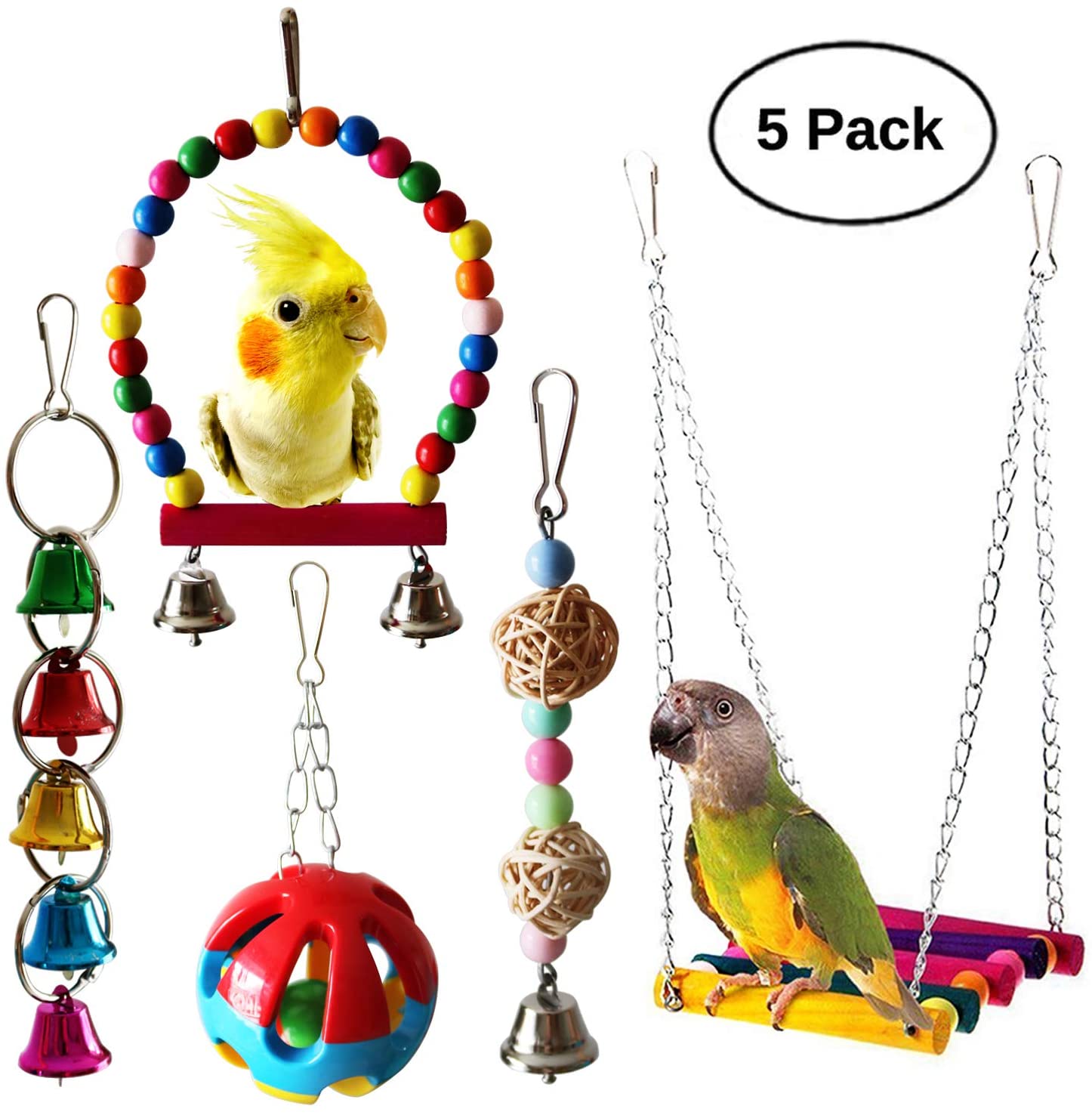
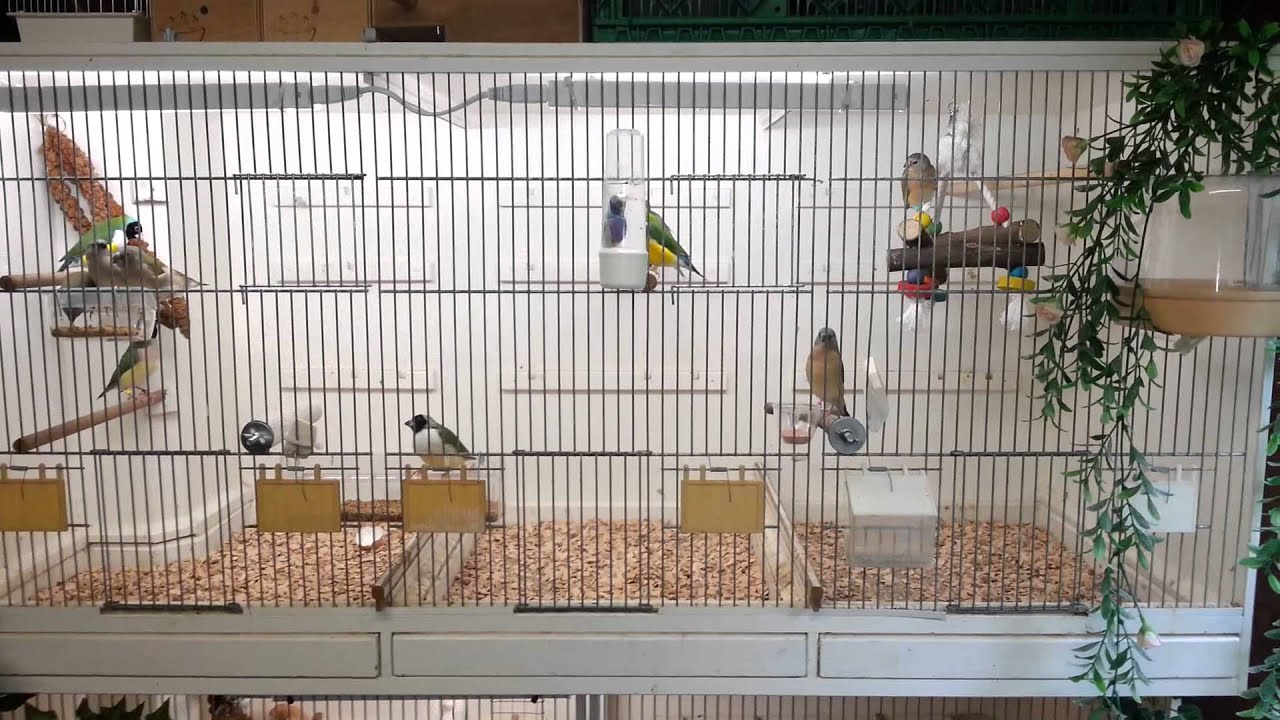
A large planted aviary is ideal since it would provide adequate space to fly around in the enclosure. You may place some accessories including softwood perches, bird toys, and ladders, but be sure to keep them to a minimum. Otherwise, they would cause hindrance in its flight and damage its feathers. A saffron finch should always be kept in pair or with birds of its size and temperament. Keeping it in a group in small cages would make it feel bored, thereby inducing hostile behavior.
Nest
Not known to make great nests, these birds accept nest boxes suitable for keeping parakeets. A nest box with an artificial plant covering should be placed at a high spot in the corner of the cage to provide them the privacy they need. They do not like their nest being frequently inspected, especially during the breeding season.

Saffron Finch Nest
Temperature
During the winter, the cage temperature should be kept at 60-65°F for your pet’s well-being.
Temperament and Behavior
Due to its polygamous behavior and territorial instinct, it has a tendency to become aggressive towards smaller and submissive birds. It even fights with its own species if two males are housed together, especially during the breeding season. Even though it exhibits intimidating behavioral traits, it tolerates human proximity.

Saffron Finch Bird

Saffron Finch Female
Feeding
Apart from giving them Groats, you should also provide millets mixed with sprouting seeds and grass seeds. Live food in the form of fruit fly larva, waxworms, mealworms, and ant eggs mixed with egg food or soft food is required in moderate amounts when breeding. Make sure your pet bird gets adequate quantities of grit, cuttlebone, and fresh water.
Care
Since they are fond of bathing, provide a clean container with bathing water inside their cage.
Health Problems
This is a hardy species with no known health concern. However, you should check for some common diseases like feather loss, genetic disorders, respiratory diseases, eye problems, and scaly leg diseases.
Price
A pair of saffron finches cost around a $100.

Saffron Finch Images

Saffron Finch Photos
Interesting Facts
- They exhibit an initial shyness to sing in the presence of people especially when kept in small cages.
- Wild saffron finches prefer to live in flocks during the winter while in spring they live in pairs for breeding. Unlike many other finches, they are not migratory.
- Since they exhibit natural hostility, the males are often used for bloodsport.
References:


Do your birds ship well and how do you ship then?
Hi, Deborah, sorry we do not sell birds.
kinda interesting post, especially the third part.