

Zebra finch, commonly found in Central Australia, is a small gray-white bird with a thick, pointed triangular beak. Being a popular choice of pet, these birds have been bred in captivity for many years.
Scientific Classification |
|
| Kingdom | Animalia |
| Phylum | Chordata |
| Class | Aves |
| Order | Passeriformes |
| Family | Estrildidae |
| Genus | Taeniopygia |
| Scientific name | Taeniopygia guttata |

Zebra Finch

Zebra Finch Birds
Quick Information |
|
| Other names | Chestnut-eared finch, spotted-sided finch, and Nyi-Nyi |
| Where are they from | Australia, Lesser Sunda Island (North-west Australia), Indonesia, East Timor |
| Habitat | Open steppes, grassland, and forests near water bodies |
| Color | White chest and abdomen with brownish to grayish wings; chestnut patches with white dots under the wings and a white line extending from the eyes
Gender dimorphism: males have a reddish-orange beak, and a bright orange patch on each side of the face. Females have paler beaks |
| Size | 10cm to 11cm |
| Wingspan | 22cm |
| Weight | 15gm to 20gm |
| Diet | Grass seeds |
| How long do they live | About 5 years in the wild |
| Breeding age | Over 6 weeks |
| Incubation period | 12 to 16 days |
| Clutch size | 4 to 8 eggs |
| Fledging | 3 to 4 weeks |
| Sounds | ‘beep’, ‘meep’, ‘a-ha!’, ‘oi!’
Singing ability: Seen only in males |
| Temperament | Active, Calm |
| IUCN Conservation Status | Least Concern |
| Subspecies | Taeniopygia guttata guttata (Timor zebra finch) Taeniopygia guttata castanotis |

Female Zebra Finch

Male Zebra Finch
Color Mutations
- White zebra finch
- Pied zebra finch
- Florida fancy zebra finch
- Black-cheeked finch
- Black-breasted zebra finch
- Black-faced zebra finch
- Orange-breasted zebra finch
- Fawn or gray cheek finch
- Dominant silver zebra finch
- Eumo zebra finch
- Chestnut-flanked white or CFW zebra finch
- Crested zebra finch

White Zebra Finch

Pied Zebra Finch

Florida Fancy Zebra Finch

Black Cheek Zebra Finch
Zebra finch care
They make good pets with their bright, colorful appearance and simple care requirements. However, they might be mildly allergenic to those with feather allergies.
Housing
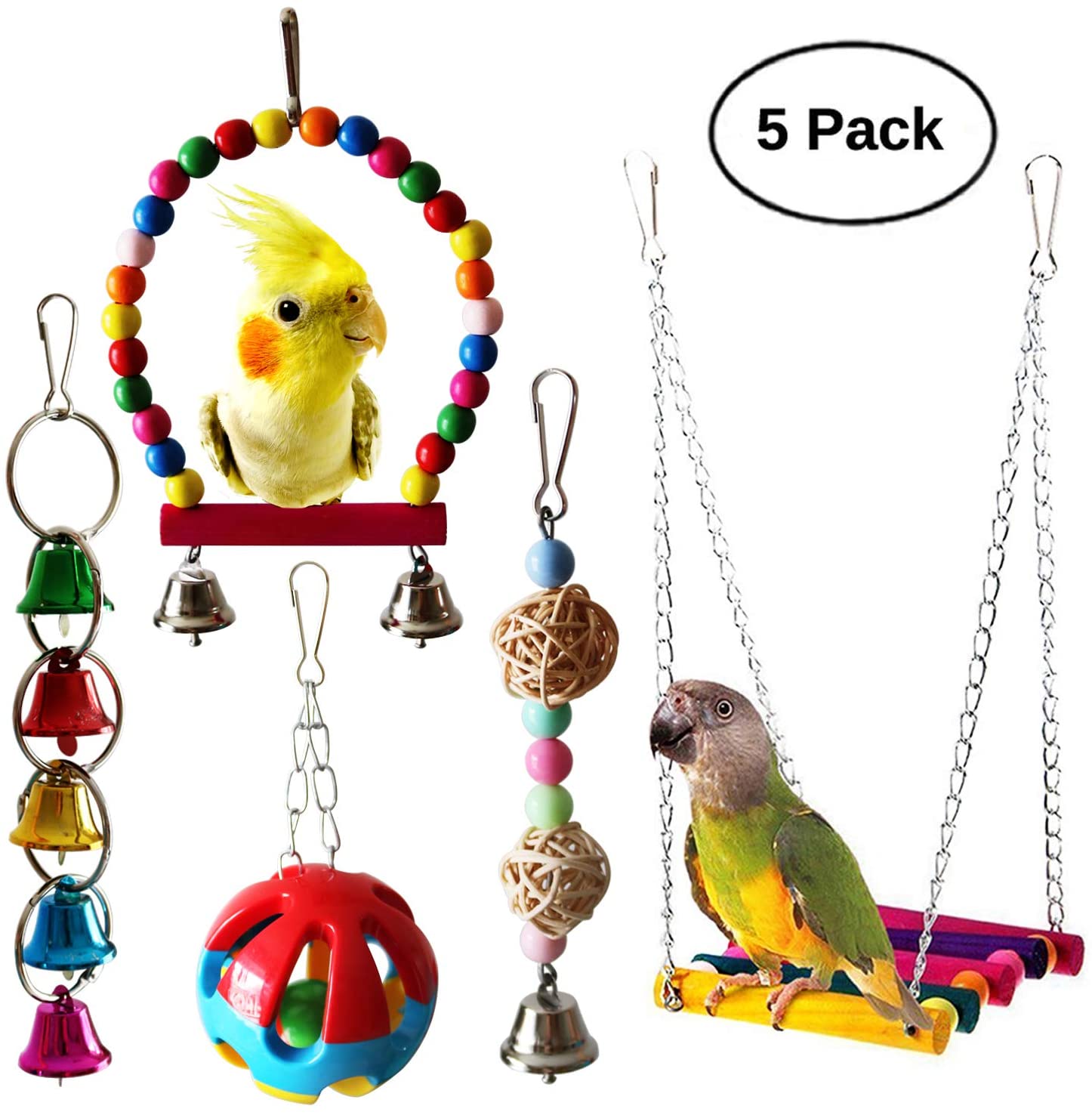
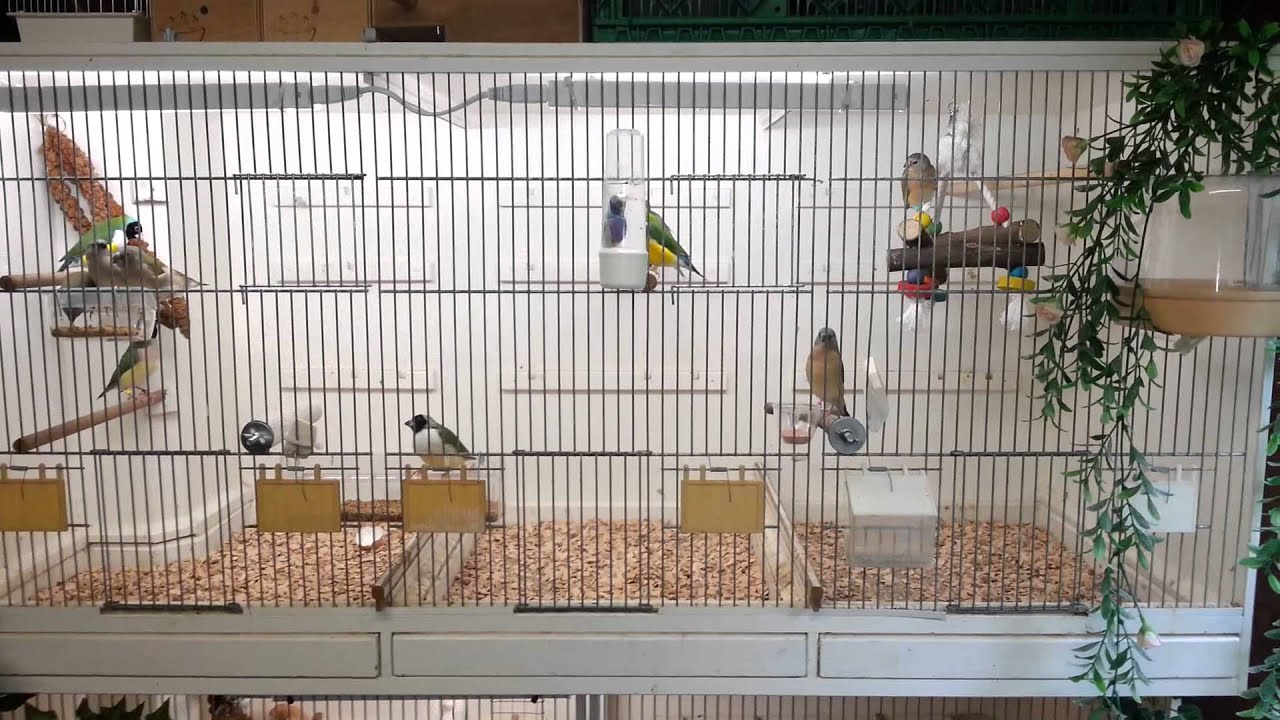
A large, spacious, well-ventilated cage of about 30 inches, placed in a quiet corner of the house is suitable. Keep only one mating pair in a cage, as males often get aggressive and fight if housed together. Soft wood or natural branches placed inside the cage are good as perching spots. But, make sure not to keep more than two perches, as it may reduce their flying space. Small toys, bells or ladders may be provided; however, avoid long strings to prevent any obstruction or injury during flight.
While keeping multiple pairs in a big cage, pinch clothespins may be placed on the perches at a distance of about six inches to demarcate the territory of each pair.

Zebra Finch Nest
Nest box and basket
It is recommended to provide a nest basket as these birds enjoy sleeping in nests. A wooden nest box is also required, especially during the breeding season, as they have a habit of laying their eggs in any available space, including the food tray.
Substrate
A paper substrate should be placed at the bottom of the cage to easily detect any abnormalities in their droppings. It is to be changed on a daily basis to ensure proper hygiene. Grass and soft hay are good options for nest boxes substrate.

Zebra Finch Cage
Temperature
These birds are well adjusted to room temperatures but must be kept away from air conditioning units or cold drafts. During breeding, the temperature should not fall below 40°F to 50°F. They thrive well in a moderately warm environment; however, make sure to avoid direct sunlight.
Lighting
Though full spectrum lighting is often used by people to prevent molting, it is not necessary for Zebra finches. Artificial UVB or UVA lighting may be used if they are kept in a room receiving insufficient natural light.
Temperament and Behavior
These calm, sociable birds tend to display their loyalty to their owners by fluttering or singing in their presence. However, they dislike being touched or cuddled with, but rarely resort to biting.

Zebra Finch Pictures
Feeding
These seed-eating birds are fond of millet seeds, while any sprouted seeds are beneficial for them. Add a proper amount of fruits and vegetables like carrots, sweet potatoes, romaine lettuce, broccoli, spinach, apple, banana, mangoes to their regular diet. Cuttlebone, hard-shelled boiled eggs, grits, and pellets form, a good source of calcium and vitamins. Provide fresh, clean water should every day.
Additional care during breeding
The breeding pair takes care of their offspring as they do in the wild. Make sure to provide them with adequate food and water during this period. Talk to your breeder to find out what is the best diet for the baby finches.

Babies Zebra Finch

Baby Zebra Finch

Zebra Finch Eggs Pictures

Zebra Finch Eggs
Exercise and grooming requirements
Once your bird is familiar with its surrounding, let it out of the cage at least once every day.
Place a shallow dish of water at the bottom of their cage for bathing to keep their feathers clean. Their nails should occasionally be trimmed, but take caution as even a little bleeding may be fatal.

Zebra Finch Images
Diseases and health problems
Most of the illness suffered by these otherwise hardy finches are due to improper diet and/or unclean living environments. Some of the common health concerns are leg cramps, heat stroke, egg binding, mites, diarrhea, sore eyes, scaly legs, broken wings, constipation, tumors, and concussion. Some of the symptoms to look out for include feather-loss, an overgrown beak, and baldness. Sick birds should be isolated and kept in a separate cage with a temperature of about 85°F.
Lifespan
If cared for correctly, zebra finches can survive for up to 12 years in captivity. One individual survived for 14.5 years.
Price
Zebra finches are available for sale for around $15-$30.

Zebra Finch Photos
Zebra finch song: Mating call
Interesting facts
- The males incorporate sounds from their surroundings in their mating calls.
- Scientists have discovered that the males’ song is a result of about 2000 genes present in a specific area of its brain, known as “Area X”.
- In the wild, juvenile birds are chased off by their parents immediately after weaning, so they can start a new clutch.
- In pet trade and inbreeding, there are several reports of albino zebra finches, but albinism is not yet confirmed in this species.


great article thanks
Very helpfull
Great post! Have nice day ! 🙂 pojxt
I would like to buy some black cheek zebra finches and orange cheek zebra finches. If you have green parakeets I would like two of those also. Are these available? I do not see how to order on your website. Thanks.
Hello Barbara, nice to know your interest in birds, but unfortunately we do not sell them.