

The Gouldian finch, also known as rainbow finch, Lady Gouldian finch, Gould’s finch, Scarlet-headed finch is an attractive and colorful bird. These birds, with a blackish beak have red, yellow or black colored heads because of their color mutations. Female finches have a less bright hue than their male counterparts and are characterized with a light mauve chest. Being classified as ‘endangered in the wild’, by the IUCN in 1992, most of these birds are bred in captivity mainly in Australia.
Scientific Classification |
|
| Kingdom | Animalia |
| Phylum | Chordata |
| Class | Aves |
| Order | Passeriformes |
| Family | Estrildidae |
| Genus | Erythrura |
| Scientific Name | Erythrura gouldiae |

Blue Gouldian Finch

Gouldian Finch Images
Quick Information |
|
| Distribution | Australia (Cape York Peninsula, Queensland, Kimberley) |
| Habitat | Savanna woodlands surrounded by Eucalyptus tree. |
| Color | Brightly colored in red, green, yellow and black, blue, purple |
| Size | 11cm to 15 cm |
| Wingspan | 14cm |
| Weight | 14g to 15g |
| Diet | Different species of grass seed |
| How long do Gouldian finches live | Around 5-6 years in the wild |
| Egg hatching time | 13 to 14 days |
| Clutch size | 4 to 8 eggs |
| Fledging | 21 to 24 days |
| Singing ability | Seen in males |
| Temperament | Friendly, Generally Non-aggressive |

Blue Gouldian Finch Pictures

Blue Gouldian Finch
Gouldian finch pet care
These colorful songbirds are mostly preferred as pets as they are a delight to watch and be heard.
Housing
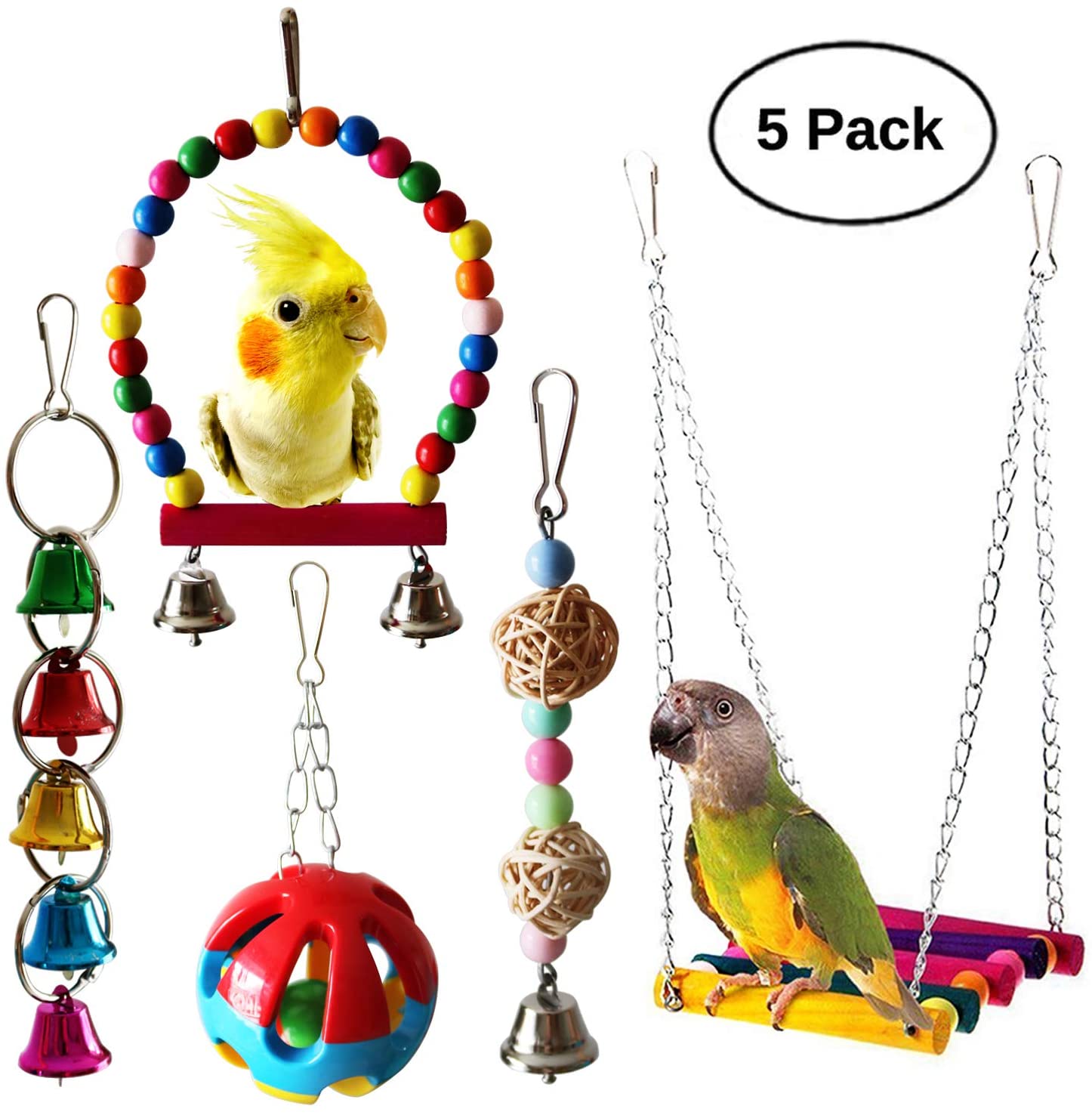
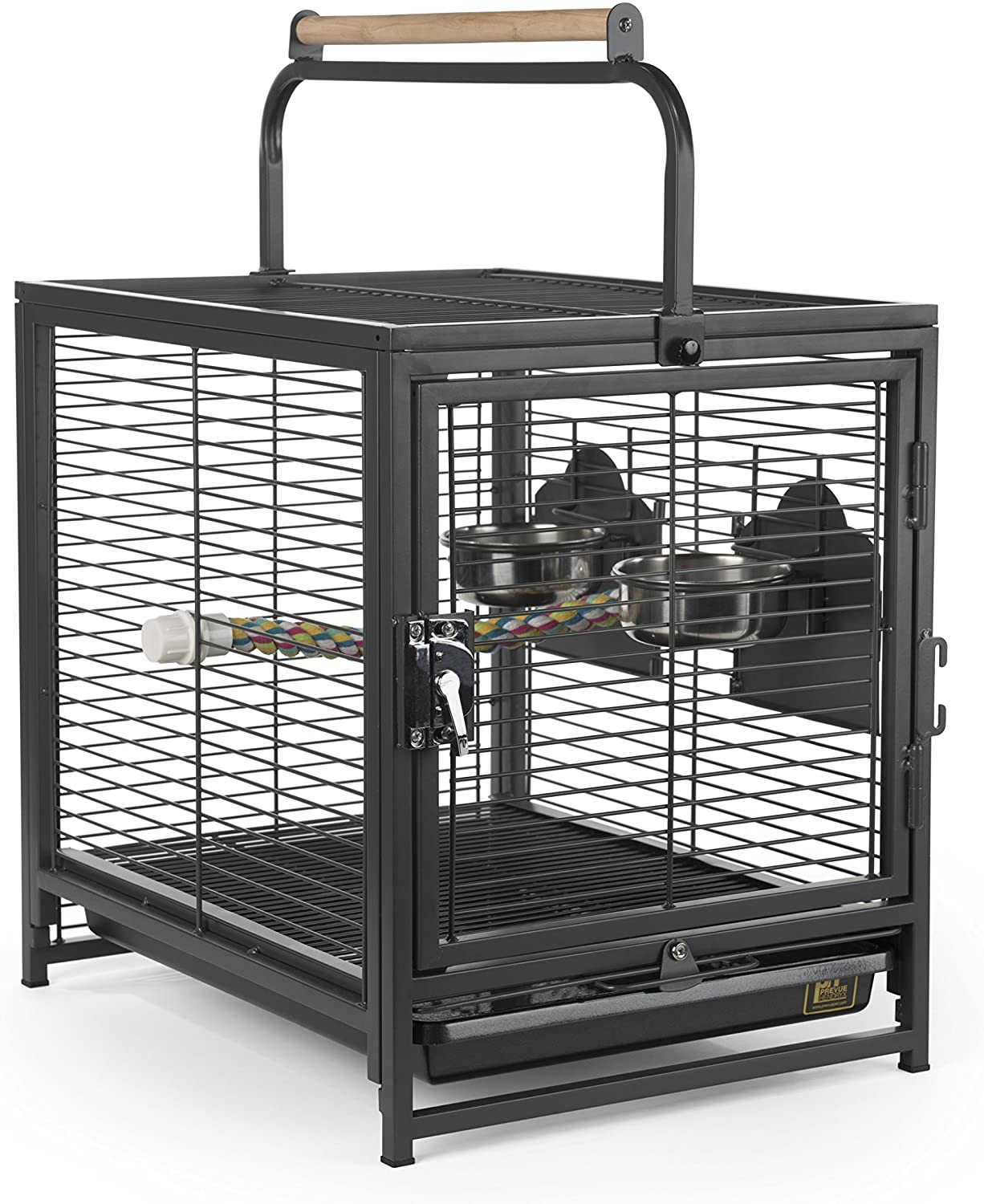
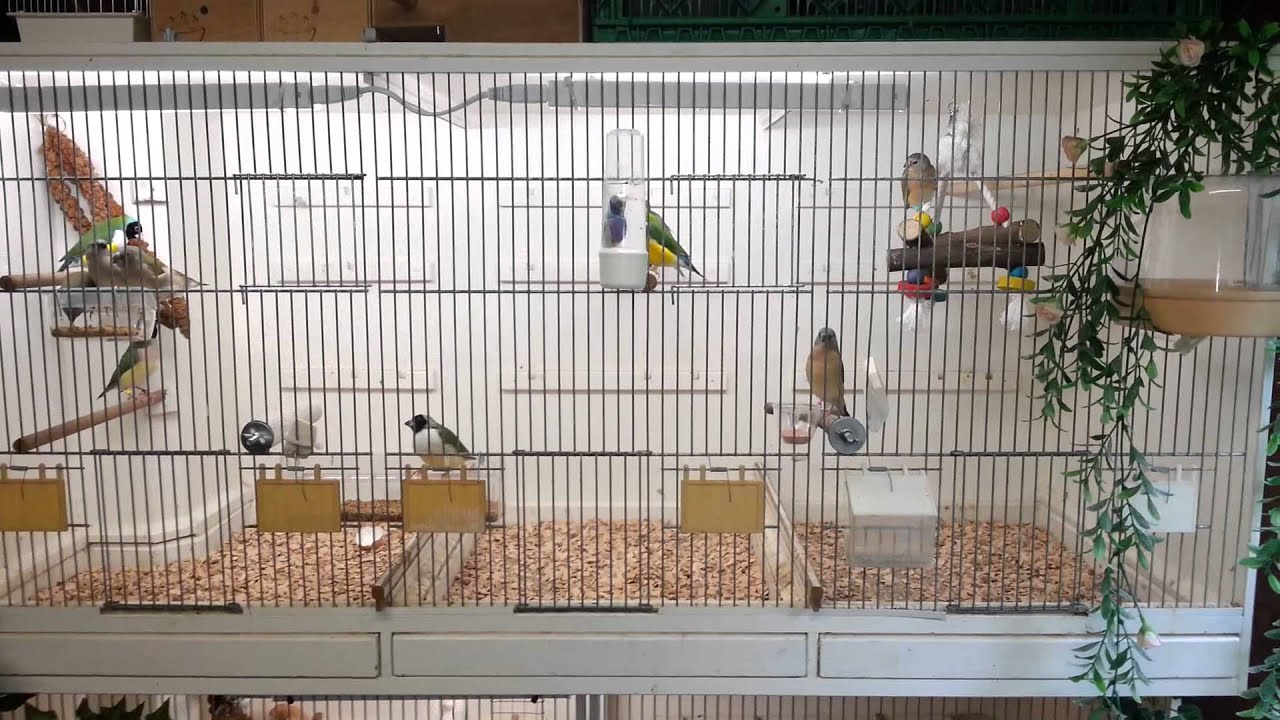
These birds can be housed in cages or aviaries, the former being more preferable. Large cages with proper sunlight are needed for them to fly about freely as small enclosures make them stressed, reducing their lifespan and hampering breeding in females. The cages, preferably of wrought iron or steel should be about 51cm in length with moderate sized doors to suffice cleaning, feeding, and washing. You may place a nest box along with soft wood and branches to serve as a perch. If you have an aviary, decorate them with small wooden ladders or swings. Being unable to bear cold there should be a provision for a loft or space in the cage to protect them from drafts.

Gouldian Finch Nest Box
Substrate
Paper towels, waxed paper or newspaper should be kept at the bottom of the cage and changed daily. It is advisable to avoid sand, walnut shells or corncob to prevent bacterial growth. Hay and cotton are recommended as substrates for nest boxes.
Temperature
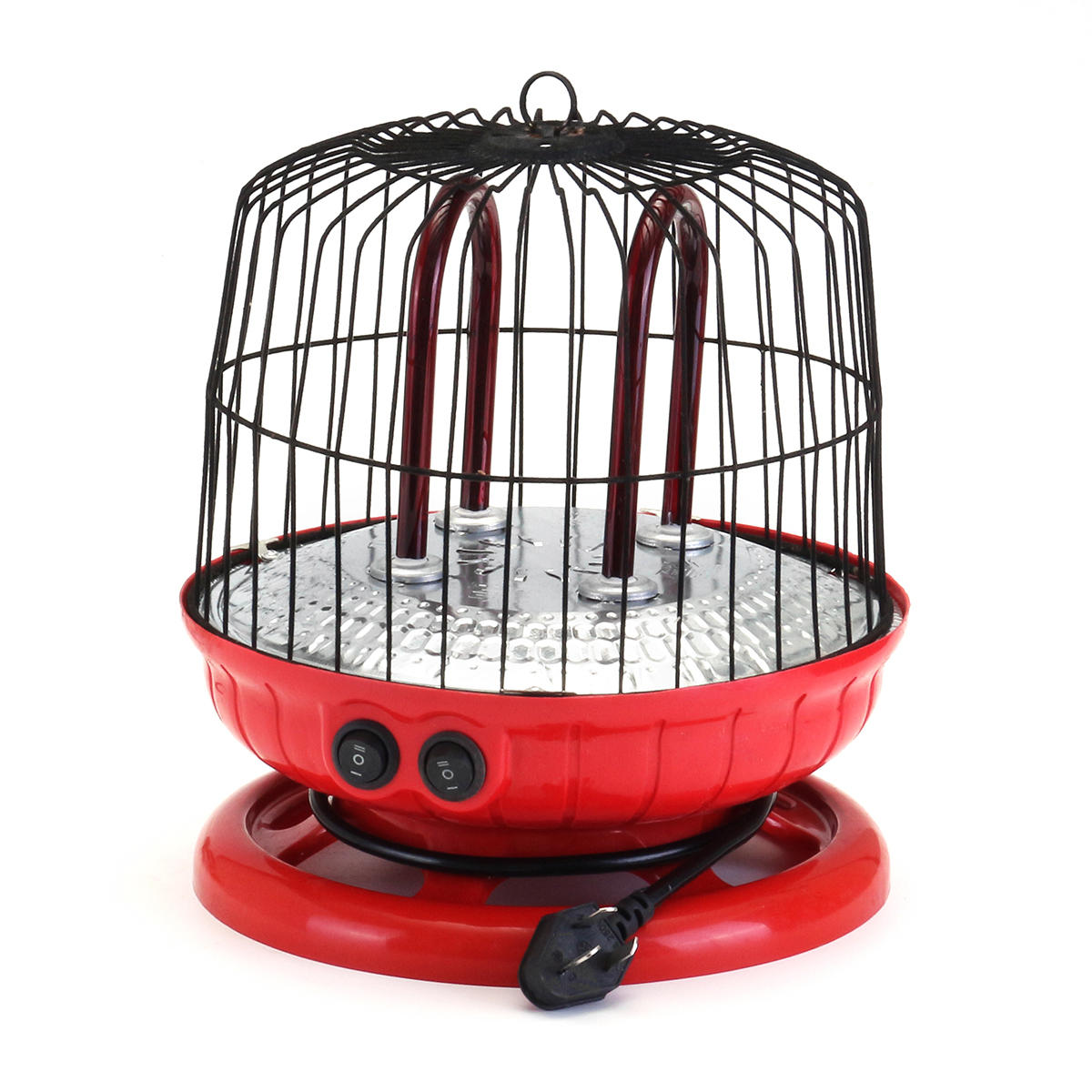
The Gouldian Finch requires a high temperature of about 70 to 75 degrees Fahrenheit.
Temperament
Having a pleasant temperament, and alert, sociable nature, these birds are to be kept in groups. These delicate Finches dislike being cuddled or held. A change in environment can be fatal for them by making them stressed, reducing their capacity to fight against diseases.

Gouldian Finch

Gouldian Finch Photos
Feeding
Apart from seeds, fruits such as cherries, apple, grapes and vegetables like spinach, parsley, dandelions etc. are beneficial. Sprouted seeds are also good for them. They may feed on live insects like fruit flies, cricket etc. During the breeding period, a rise in protein content in their diet is required that may be done by giving them a mixture of egg food. The presence of a cuttle bone in the cage will suffice the calcium requirements. Being prone to water borne diseases they should be provided with clean, fresh drinking water.

Gouldian Finch Egg

Baby Gouldian Finch

Gouldian Finch Mouth
Care
They love to splash water and can be bathed in a clean saucer or sprayed gently by a plant mister. In order to prevent injury from their overgrown nails, use a bird nail clipper or call a professional groomer or vet.
Health problems
One of the common diseases encountered by them is the air-sac mite infection that occurs when they are stressed. They may also suffer from cold, egg- binding (in females), scaly face, fracture or Coccidiosis (where the bird will suffer from diarrhea and pass out yellow watery droppings). Ornithosis, highly common in mutation Gouldians is accompanied by eye problems or infections. Certain symptoms like reduced movement, lessened food consumption, fatigue, lack of interest in surroundings, squatting on the floor etc. will help in determining a sick bird. Keeping a diseased bird in a quarantine cage, having a heated lamp will ensure proper care.
Lifespan
With proper care, a Gouldian finch can live for up to 8 years.

Gouldian Finch Pictures

Gouldian Finch Flying
Price
Buying a Gouldian finch can cost anywhere between $175-$500.
Interesting facts
- The male Gouldian Finch’s dance during courtship is a treat to watch.
- The breeding season of Gouldian Finches is during the falls and winter.
- John Gould, a British ornithological artist had first described this bird in 1844 and named it after his wife Elizabeth.
- It has been revealed by UK researchers that these birds have varied personality on the basis of their head color. Through an experiment conducted it was observed that the red headed birds were more aggressive whereas the ones with black heads were good at taking risks as well as approaching towards unfamiliar objects readily.
Thanks for the post!
Very impressed with post thanks