

The spice finch (Lonchura punctulata), also known as scaly-breasted munia, nutmeg manikin or spotted munia, is a member of the estrildid finch family. Being the size of a sparrow, it is brown in color with a dark cone-shaped bill and a yellowish-brown tail. They have gained immense popularity as cage birds in recent times.

Spice Finch
Scientific Classification |
|
| Kingdom | Animalia |
| Phylum | Chordata |
| Class | Aves |
| Order | Passeriformes |
| Family | Estrildidae |
| Genus | Lonchura |
| Scientific Name | Lonchura punctulata |
Quick Information |
|
| Distribution | India, Sri Lanka, Malaysia, Singapore, Java, Bali, Sumatra, Lesser Sunda Islands, Philippines and Southern China. |
| Habitat | Grasslands and tropical plains |
| Color | Chocolate brown, chestnut brown |
| Size | About 12cm |
| Weight | 12gm to 16gm |
| Diet | Seeds, berries, insects |
| Lifespan | 6 to 8 years |
| Egg hatching time | 10 to 16 days |
| Clutch size | 4 to 7 eggs |
| Fledging | 18 to 21 days |
| Singing Ability | Seen in males |
| IUCN Conservation Status | Least Concern |

Spice Finch Pictures
Subspecies
The spice finch has 11 subspecies which include the following:
- L.p.punctulata
- L.p.subundulata
- L.p.yunnanensis
- L.p.topela
- L.p.cabanisi
Spice finch care
These sociable, active birds are easy to manage, being highly suitable for first-time owners.
Housing
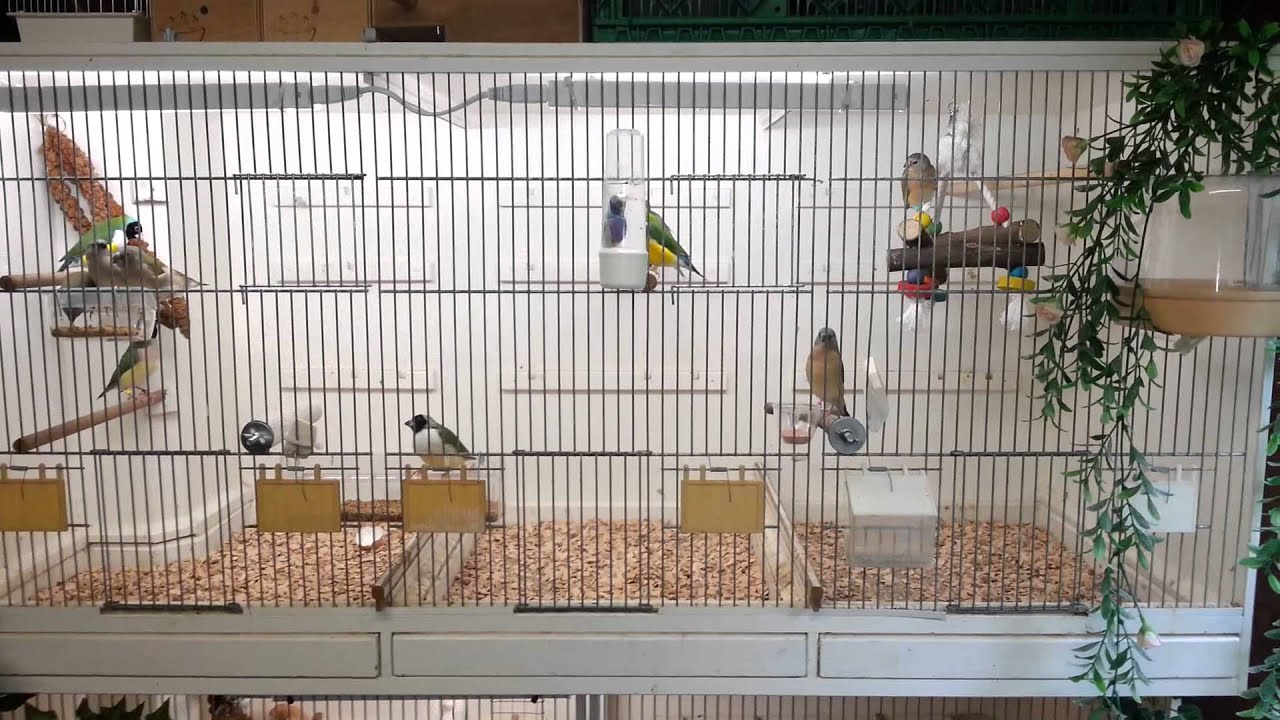
A large, spacious, well-ventilated, well-lit rectangular cage with metal bars is ideal for these active birds as they may feel stressed out or depressed when kept in small cages. Keeping their cages away from cold drafts or direct sunlight help to protect them from illness. Softwood perches along with a swing or ladder are suitable as they love to fly about from perch to perch. Providing a metal grate on top of the dropping tray helps in keeping the birds away from it.

Spice Finch Nest

Spice Finch Housing
Substrate
Proper usage of newspaper, cage liners, paper towels or any other substrate, helps in maintaining cleanliness and a good hygiene.
Temperature
Not being able to withstand extreme temperature change, a minimum of 75°F would be convenient for them.
Lighting
When not exposed to sunlight, artificial full-spectrum lighting is required as it keeps the finch healthy, helping in their breeding and molting.
Temperament
Enjoying living in groups, these friendly birds mingle well with their own as well as other species also roosting or cuddling up together in nest baskets.

Spice Finch Photos

Spice Finch Male and Female
Feeding
Preferring larger seeds, they prefer grass seeds and millet seeds. Giving them lettuce, celery tops, chickweed, spinach, egg food, sprouted seeds, spray millets, carrot tops and some nutritious fruits will help in providing them with adequate nutrition. Regular supply of cuttlebone, grit, and fresh water is necessary.
Care
These birds love bathing and should be provided with chlorine free, warm water in a dish for this purpose, or misted with a plant spray. Trimming their nails is necessary to prevent them from scratching themselves.
Health problems
Though quite hardy, improper hygiene and unhealthy living conditions make them prone to certain ailments and illness. Broken wings, overgrown beaks, cold, diarrhea, egg binding, sore eyes, and tumors are some common health problems. Smoking around the cage should be avoided as it causes irritation to the spice finch’s eyes and air sacs.
Price
Spice finch individuals come with a price tag of around $35-$50.

Spice Finch Images

Spice Finch Birds
Interesting facts
- Though monomorphic, the males are distinguished from females by their soft, complex song. Their song has been described as a high note followed by a rattle and ending in a whistle.
- In South East Asia, these birds were known to be trapped for certain ceremonies of the Buddhists but are released later.
- The young ones first molt when they are 4 to 7 months old.
References
- http://en.wikipedia.org/wiki/Scaly-breasted_munia
- http://www.efinch.com/species/spice.htm
- http://www.finchinfo.com/birds/finches/species/spice_finch.php
- http://animal-world.com/encyclo/birds/finches/SpiceFinch.php
- https://birdsville.net.au/birds-for-sale/finch/non-native-finches/spice/
- https://beautyofbirds.com/spice-finches/
- https://lafeber.com/pet-birds/species/finch/
Magnificent site. Lots of useful info here.
Thank you. Your article is very helpful to me.